Top 6 JR Kyushu Trains Worth Riding in 2025
Use this guide to plan your trip. Timetables, fares and ticket conditions can change; check them for your travel date before booking.
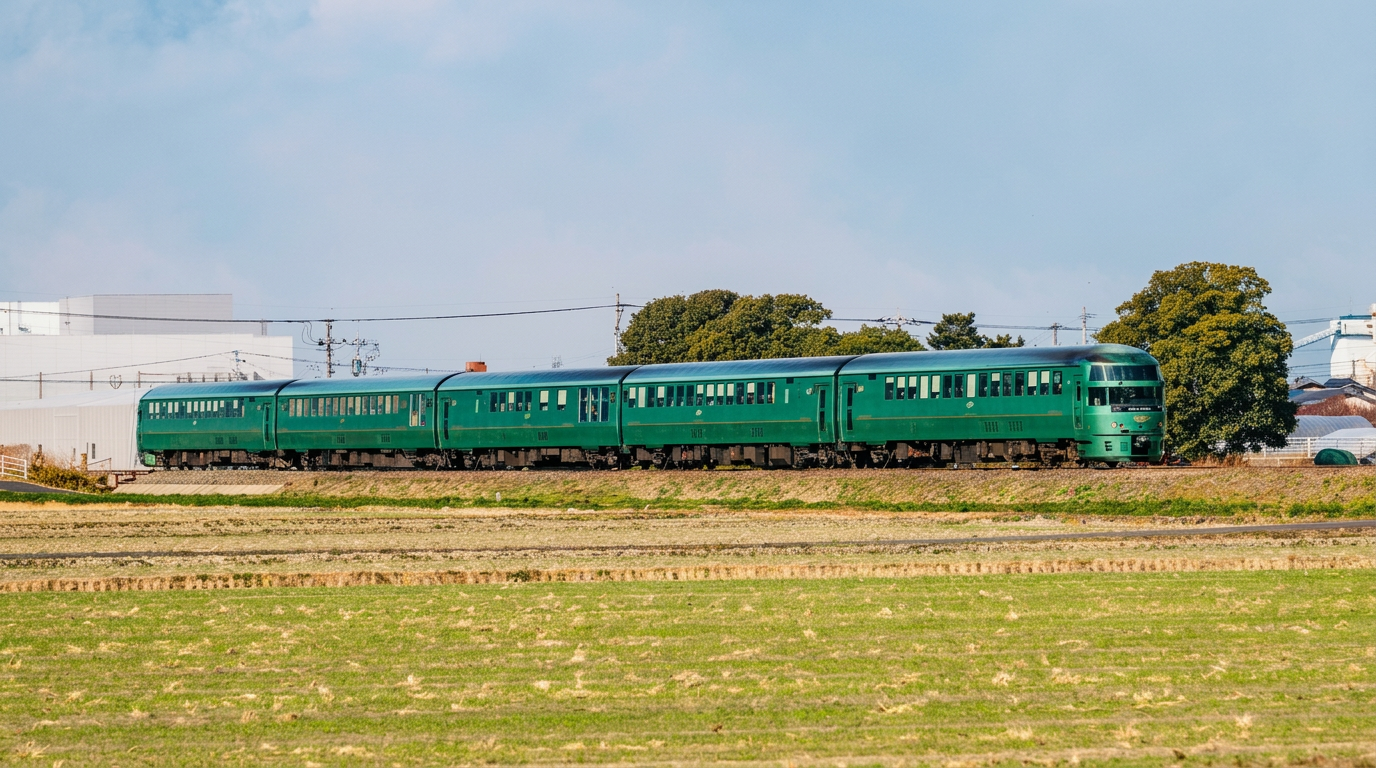
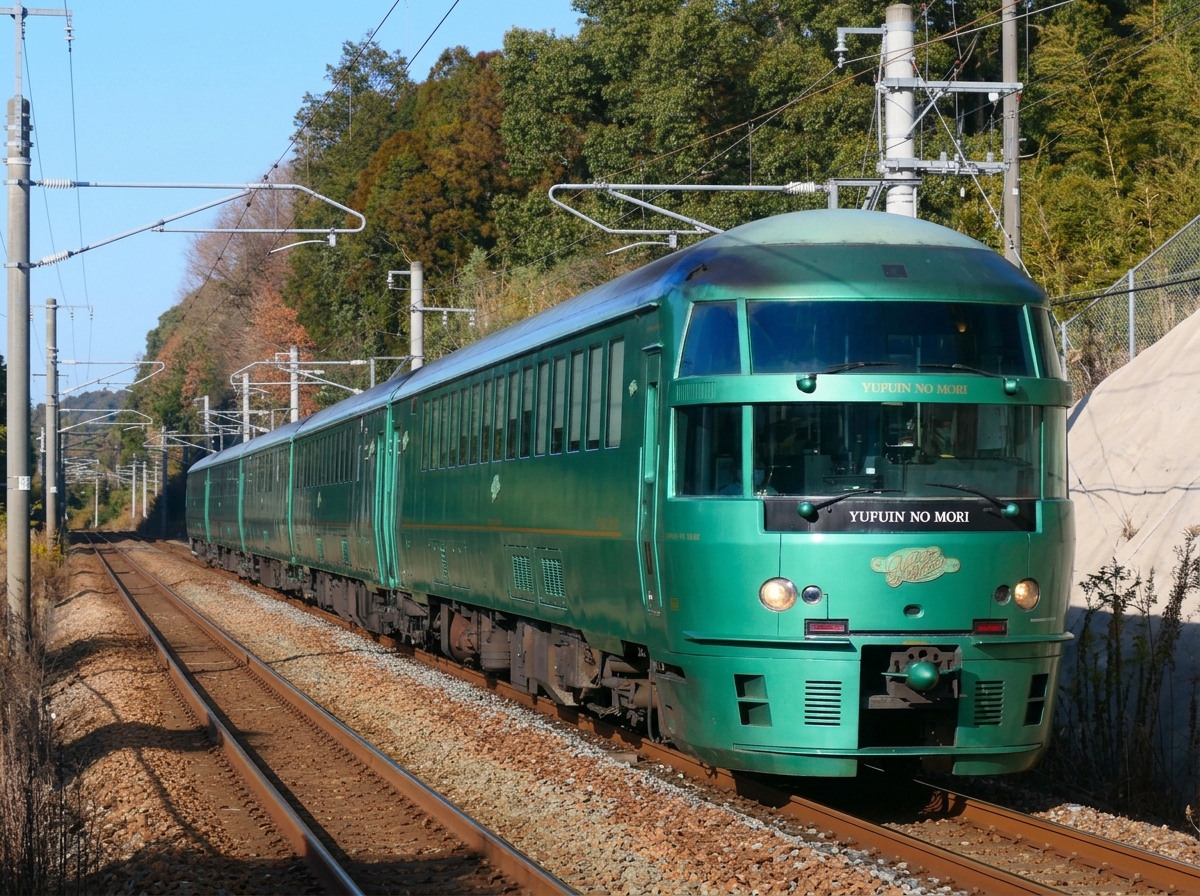
Cover illustration: KiHa 72 Yufuin no Mori, an example of a JR Kyushu sightseeing train. Adapted from a photograph by Takeshi Aida; composition and lighting modified. Takeshi Aida · CC BY-SA 4.0 · KiHa 72
Kyushu, Japan, is a paradise for railroad enthusiasts. A sizable island off the western coast of Japan, Kyushu boasts a diverse landscape: volcanoes, grasslands, hills, ocean, fields, and forests... From south to north, JR Kyushu's many distinctive DS-design trains crisscross the region.
1. Double Star 4047
The Double Star train runs between Takeo Onsen in Saga and Nagasaki, departing early and returning late, circling the Nagasaki Peninsula in northwestern Kyushu. The route offers breathtaking ocean views.
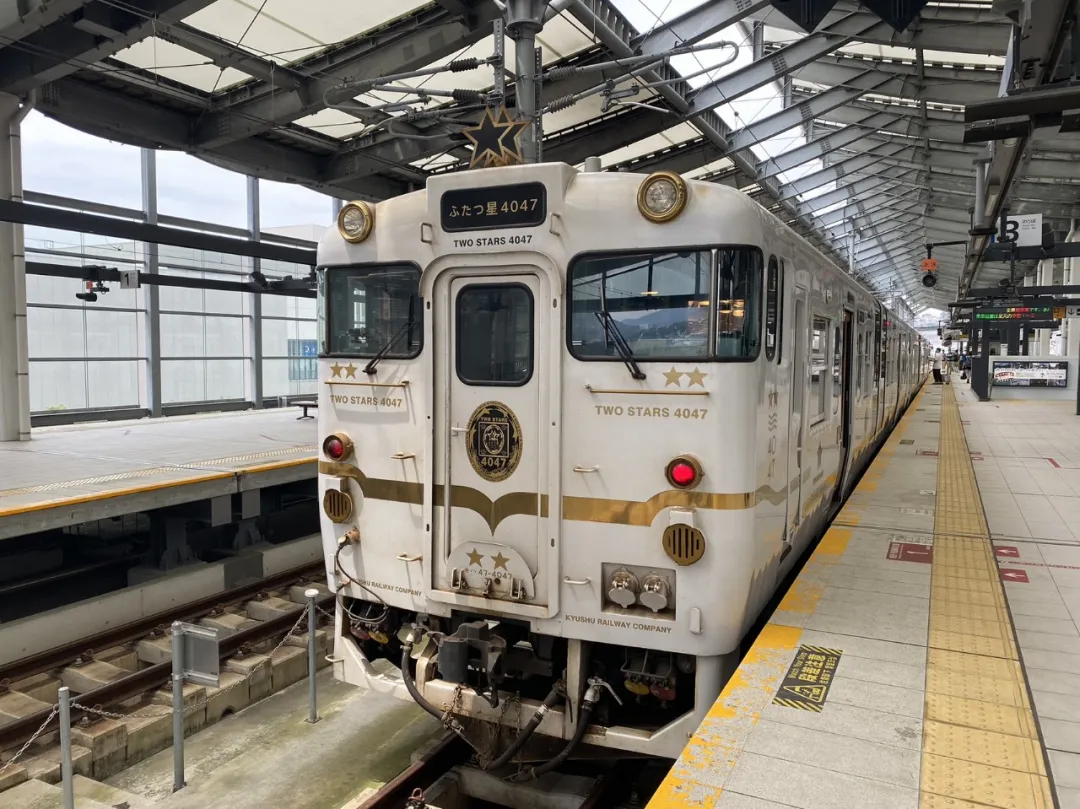
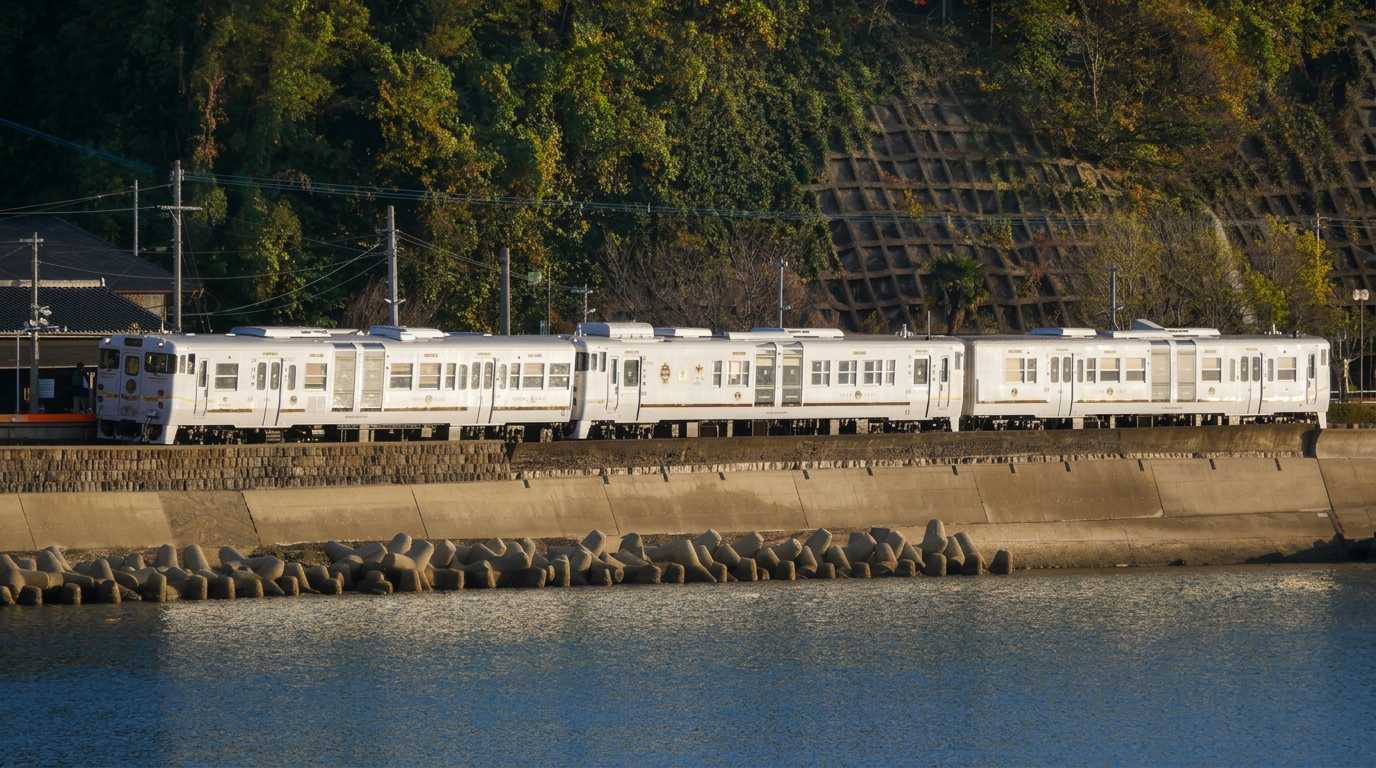

Even more captivating is the train's design, designed by JR Kyushu's official designer, Eiji Mitooka. Its pearly white body and golden twin-star logo create a captivating scene, like a seascape.
The three carriages are repurposed from the vintage Hayato no Kaze and Isaburo trains. Japanese train designs are constantly being remodeled, becoming the Chariot of Theseus.
Inside, Lounge 40 serves as a public lounge. From the wooden window frames to the intricately patterned flooring, to the quaint benches and lighting, it's hard not to be struck by the charm of the train for the first time.
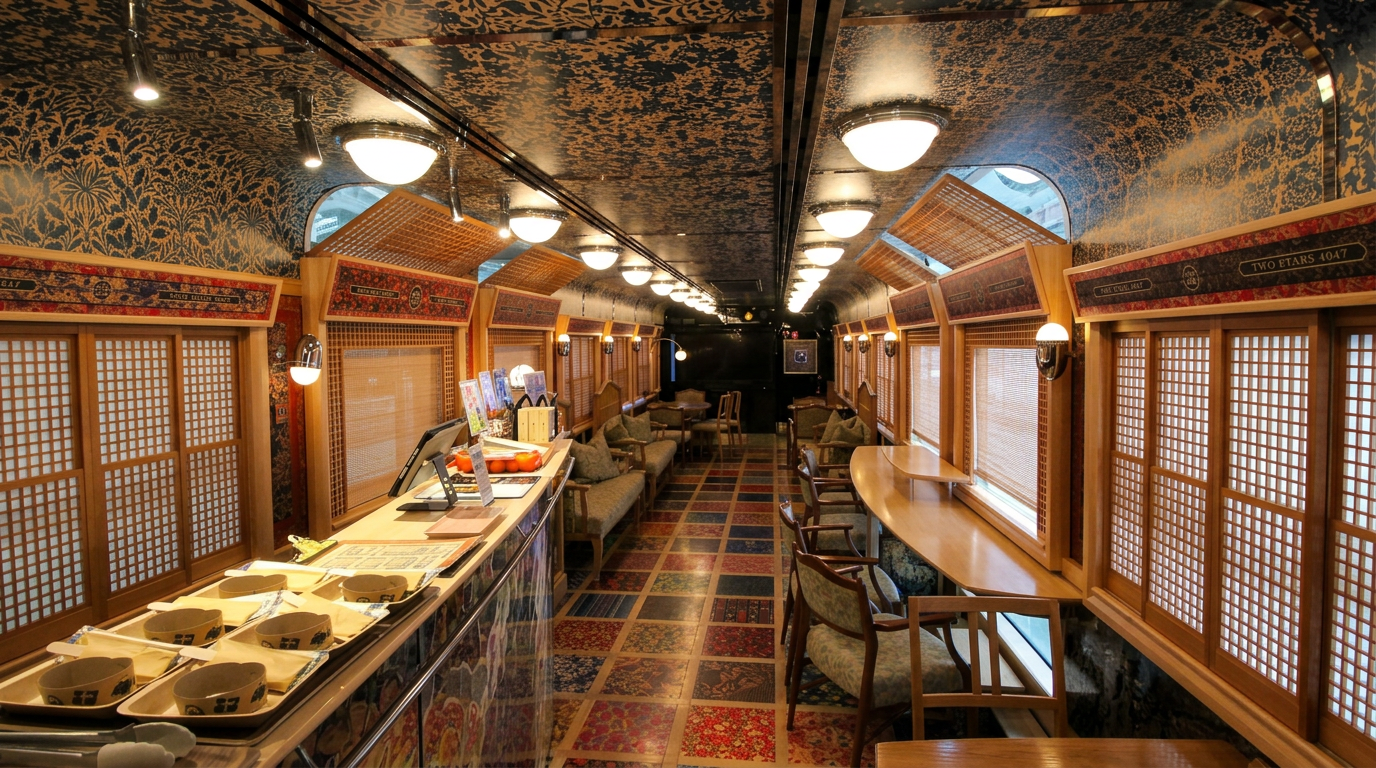

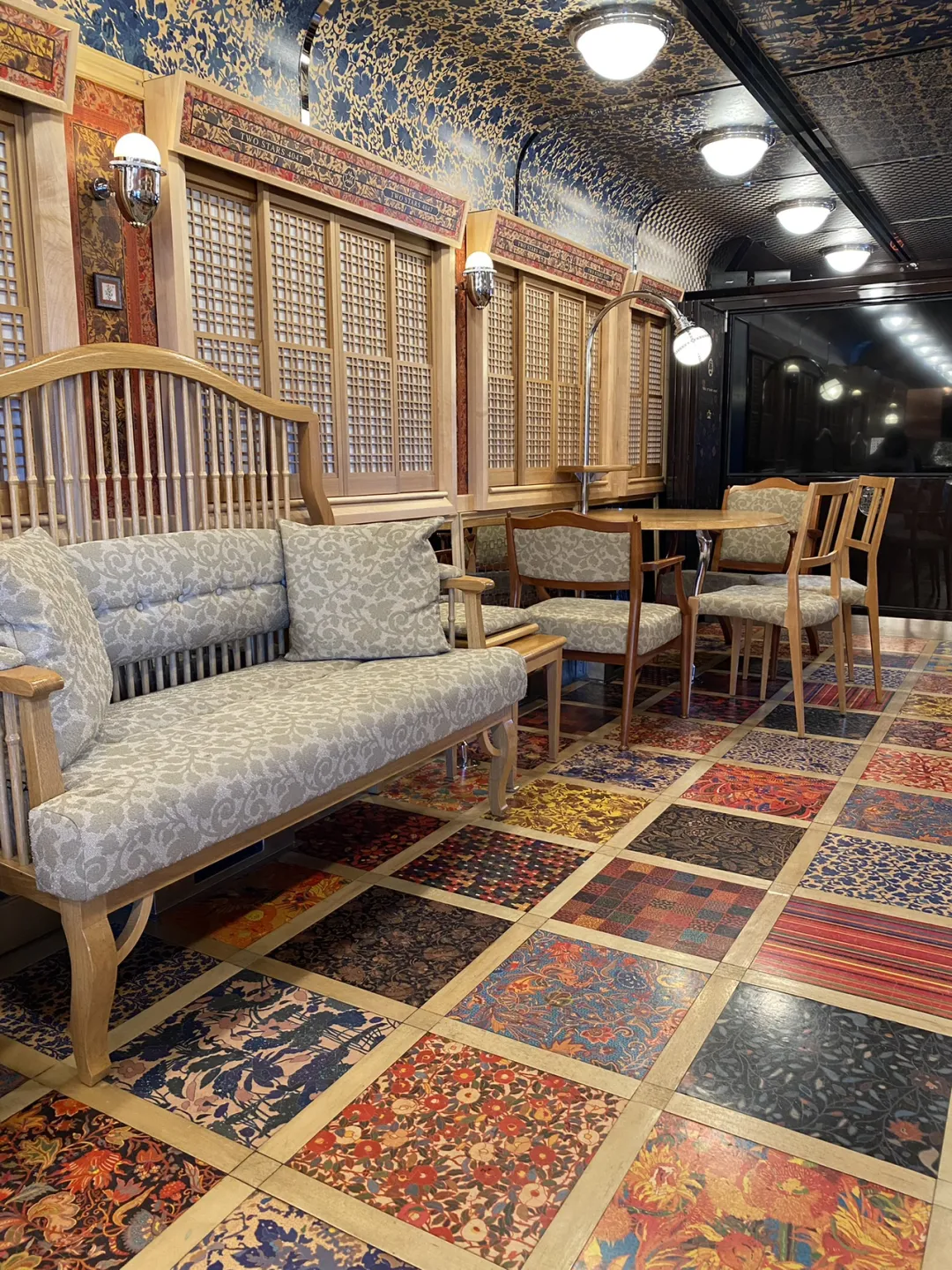
The panoramic floor-to-ceiling windows at both ends of the passenger compartment are perfect for sitting and relaxing.
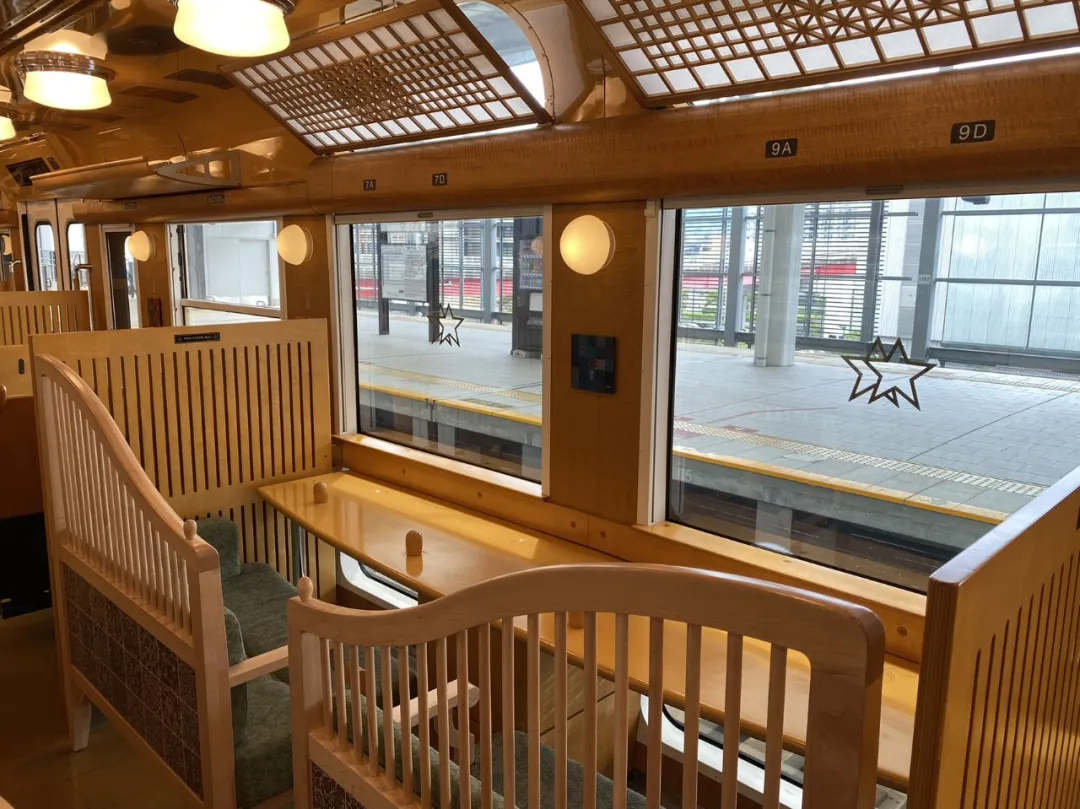
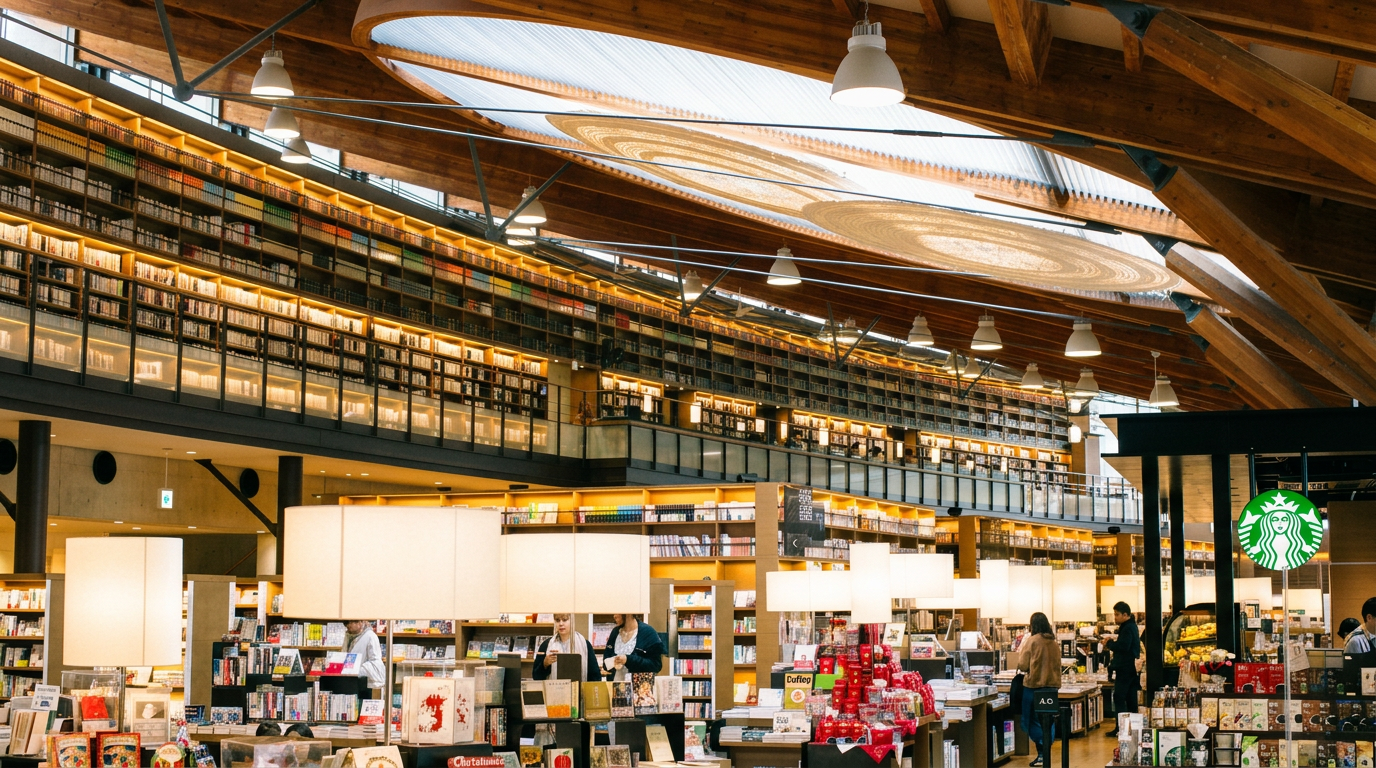
The stations along the way are all quite unique. Takeo, our departure point, not only has a traditional, affordable hot spring, but also a small, surprisingly beautiful library designed by Miyahara.

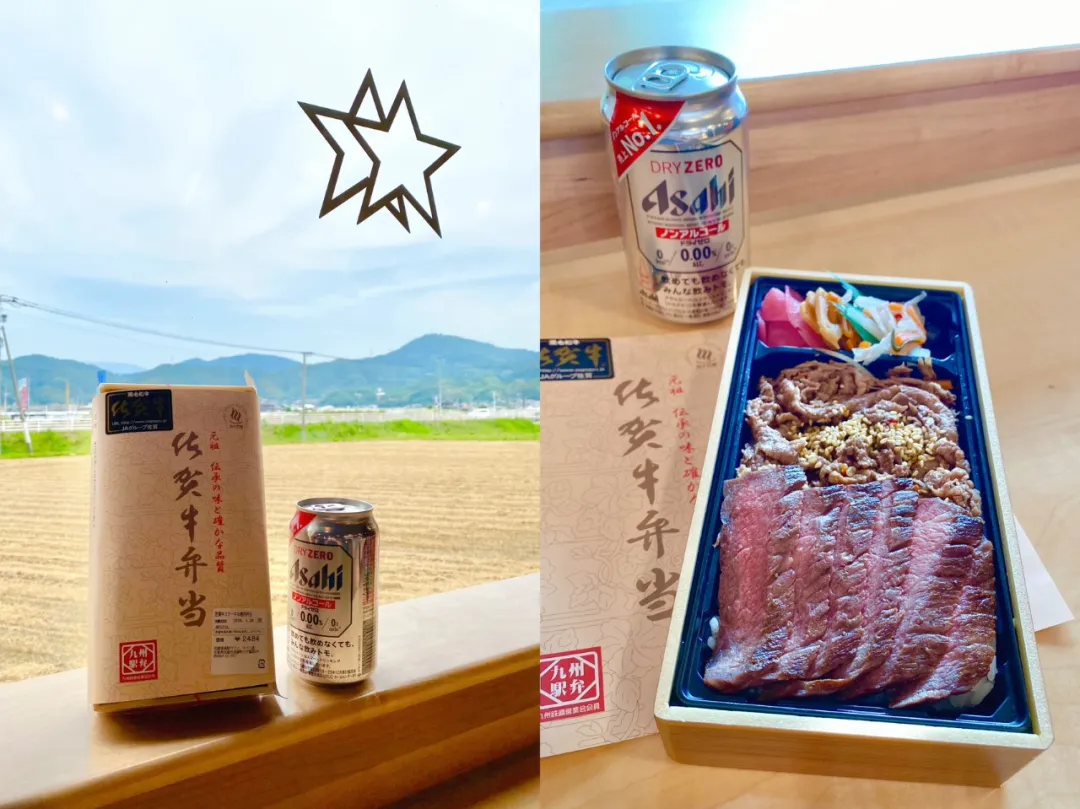
I bought a box of Saga's specialty Wagyu bento before getting on the bus, and then had a delicious meal after driving. I was so greedy that I cried.
The residents of Hizenhama Station arranged a small welcome ceremony and sold some local specialties. The arrival of the train several times a week is probably a time for the residents of the town to get together.
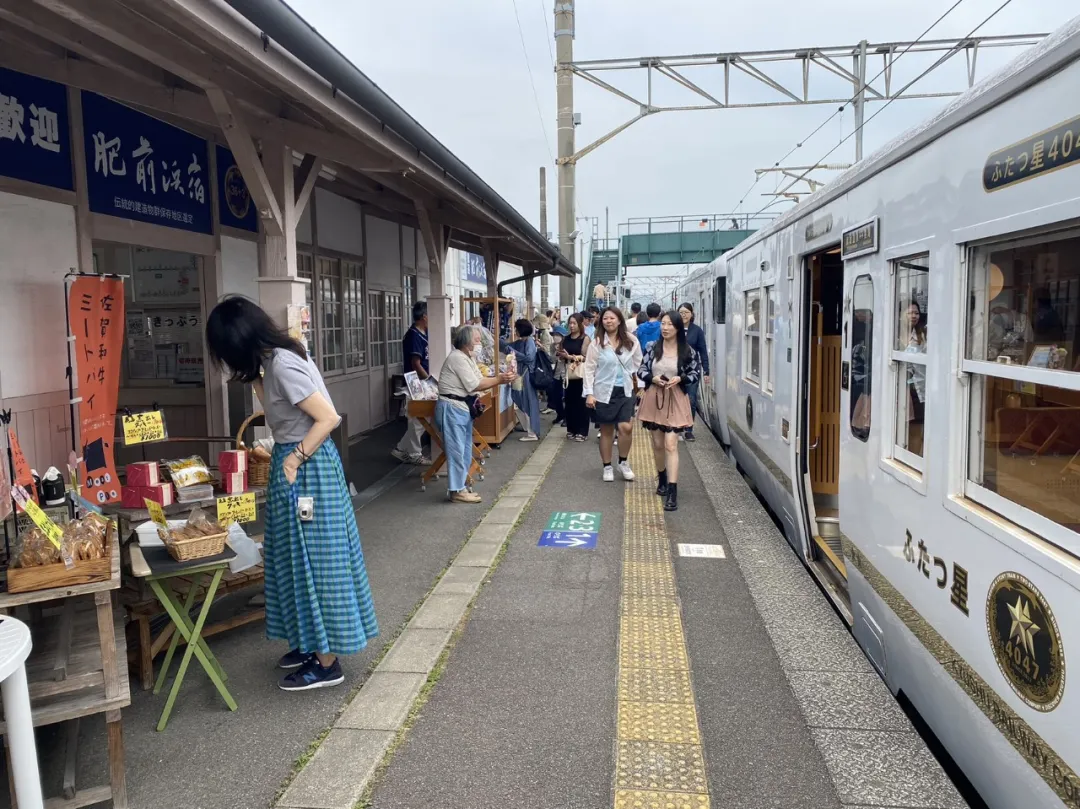
The Japanese approach to tourism, that esoteric, sleek design, the subtle maneuvers within a snail shell, truly possesses a certain mastery.
The most unforgettable moment was our final destination, Nagasaki. That evening, the weather was beautiful. We strolled along the long harbor, enjoying the sea breeze. We watched the sunset from the rooftop of an art museum, and then quickly joined the locals playing basketball downstairs. The memory of that afternoon was almost unreal.
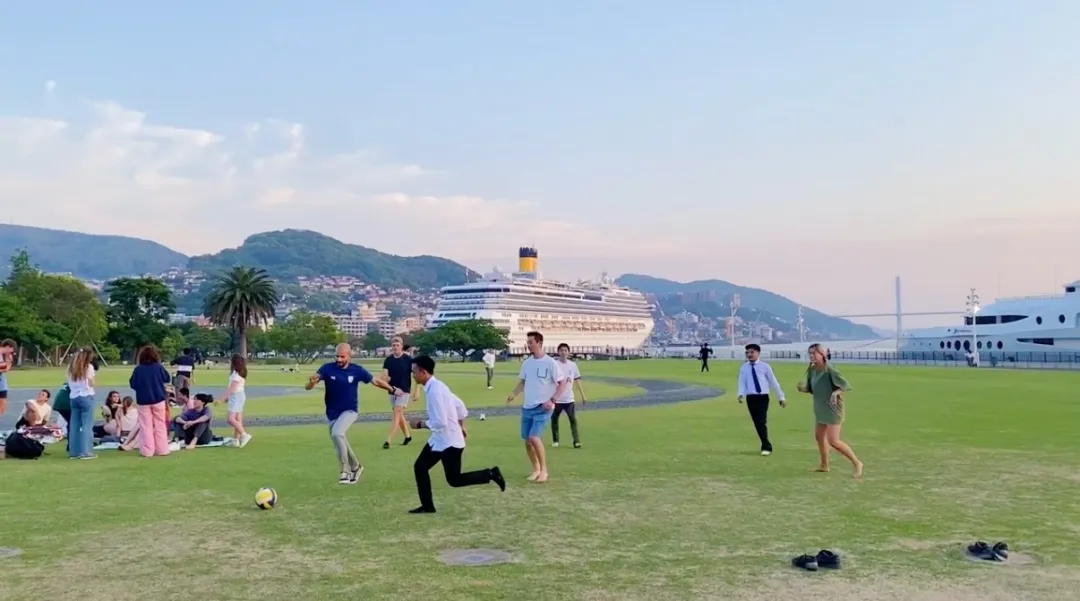
Tips: The morning and afternoon round-trip routes of the Doublestar 4047 train are different. The morning train travels along the east coast of the Nagasaki Peninsula, with a welcome ceremony at Hizenhama Station. The afternoon train travels along the west coast, offering panoramic views of the sunset.
2. Yufuin Forest
The most important thing in life isn't the destination, but the scenery along the way. It's truly true.
Many people have taken this train to Yufuin, but it's a rather uninspiring destination, a faux Taisho-style town reminiscent of Zhouzhuang and Xitang in Japan. Unless you're into hot springs, sweets, Snoopy, and trains.
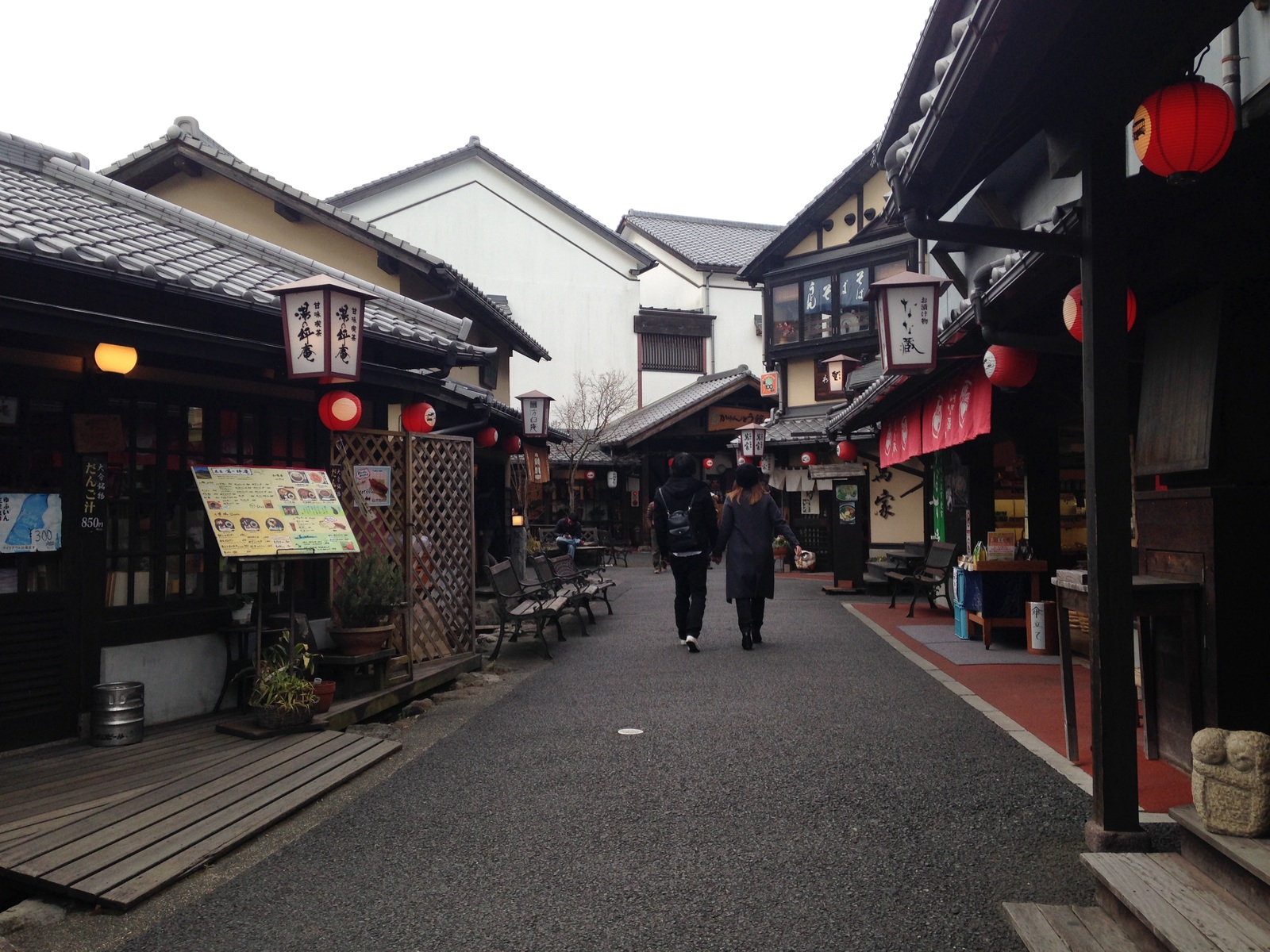

The Yufuin-no-Mori train departs Hakata Station three times daily, each with slightly different train types. The one to the coastal hot spring town of Beppu is the Yufuin-no-Mori Ise, while the other two are the Yufuin-no-Mori IIIse.
The Ise has a more retro-style carriage, while the III has a more conventional design. Can you tell which is the Ise?
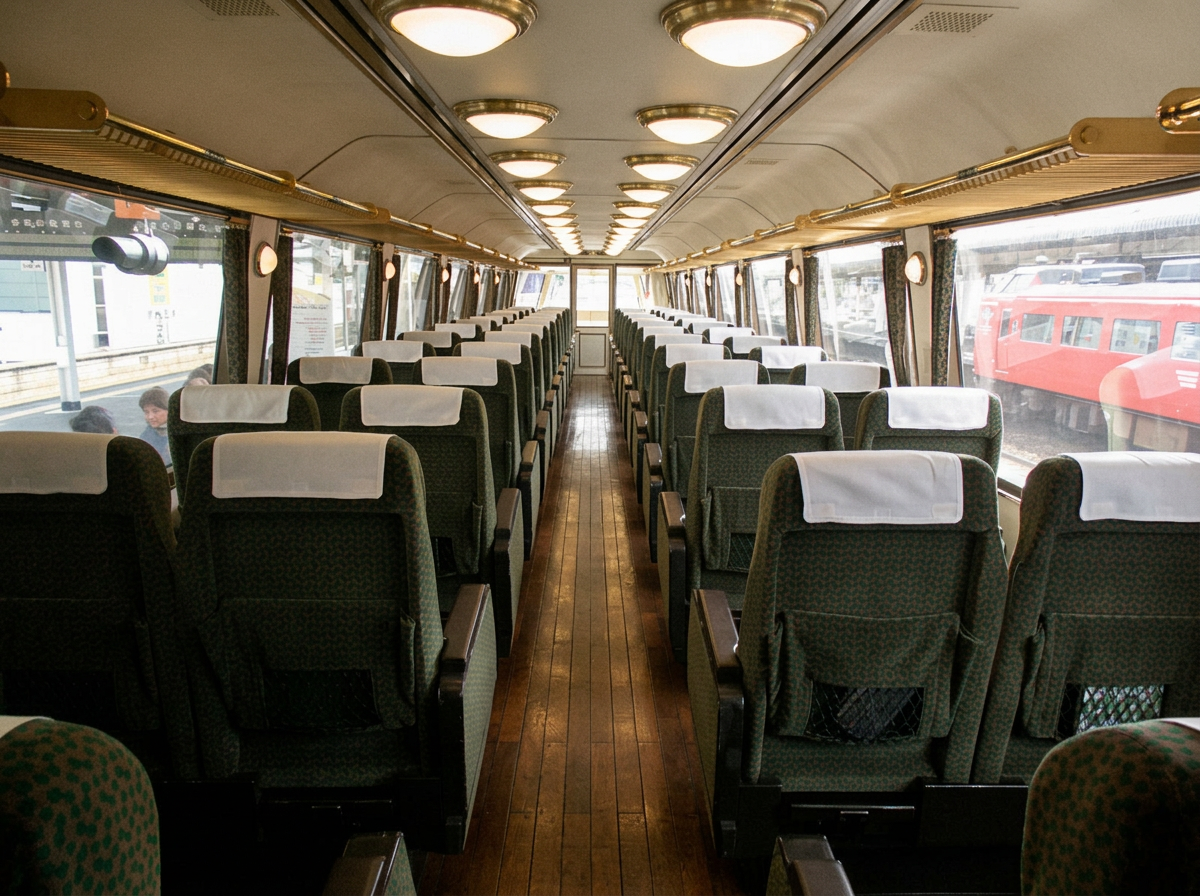

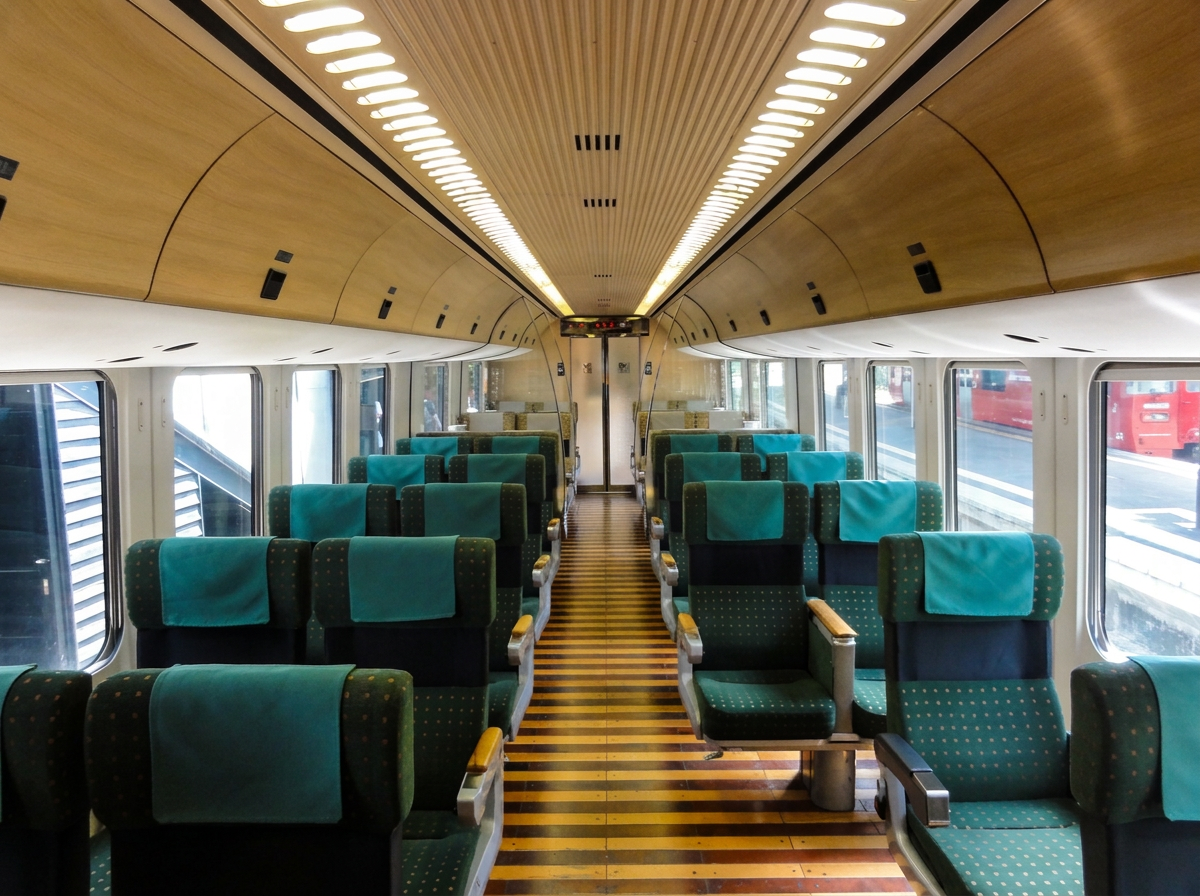

The green-painted forest-style body, the interior made of original wood and brass, the shaking and saying "what's more" standing at the connection between the vehicles, inadvertently made me dream of traveling by train in the old days.

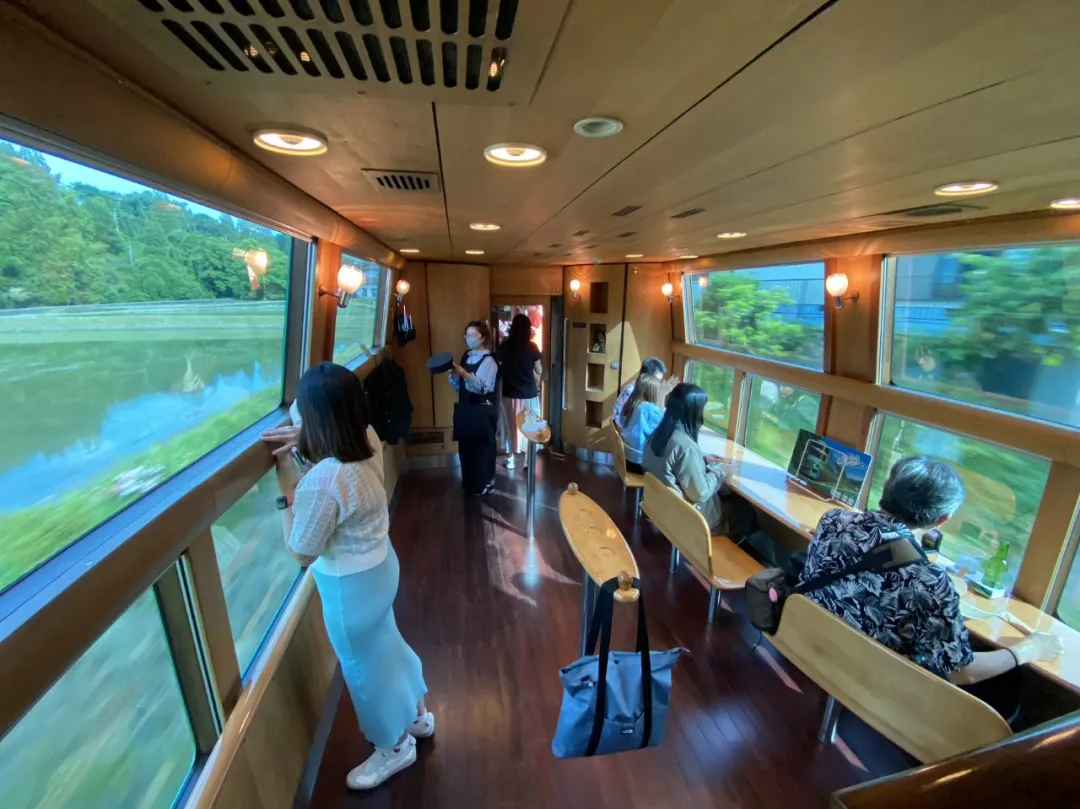
Yufuin no Mori I has a lounge in car 3 with large windows; food and drinks are sold at the buffet counter in car 2. As we near the end of the train, we slowly pass through a forest, and the feeling of being surrounded by greenery truly makes us feel like we're on a "forest train."
3. Aso Boy
Where did Yufuin II go? He became an Aso Boy!
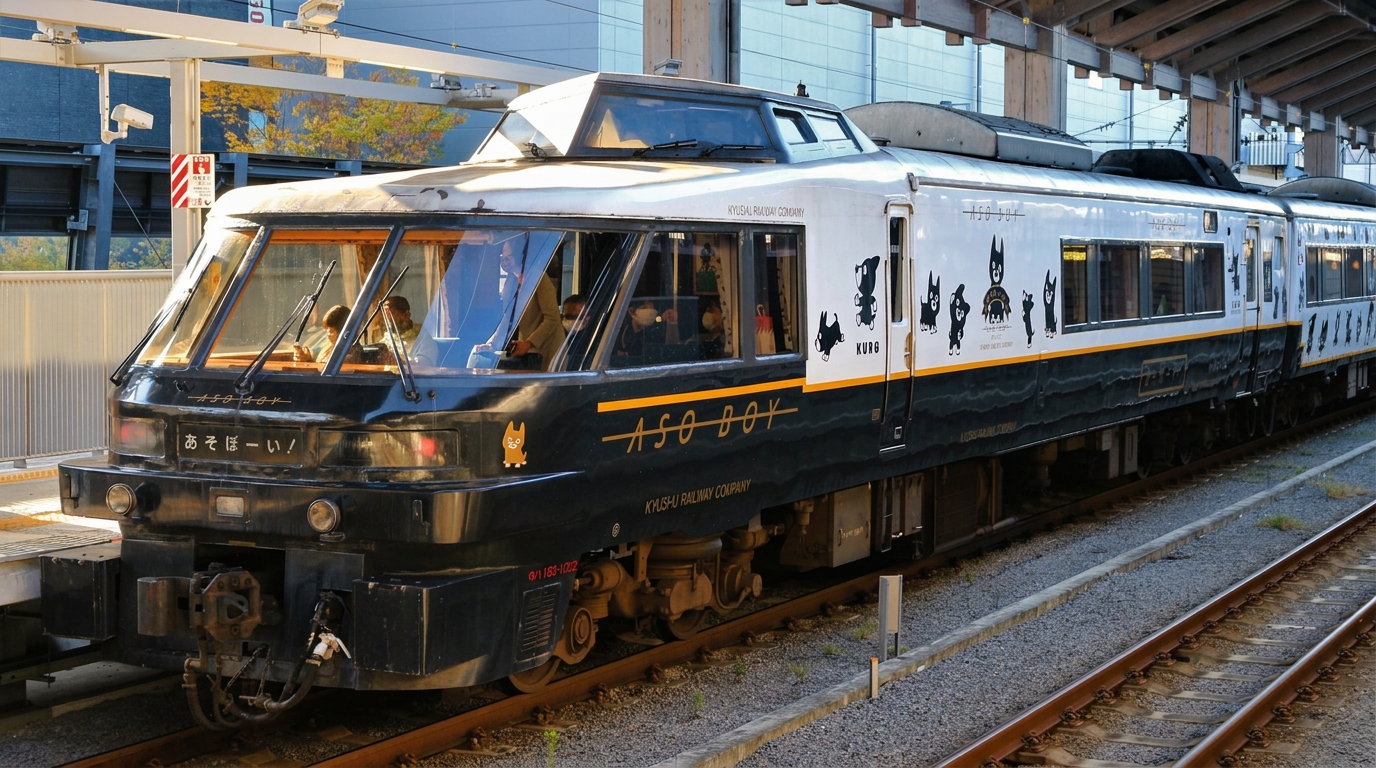

Aso Boy is the most popular parent-child train, and even I almost didn’t get a ticket. The small play area alone made the journey worthwhile. Children must be accompanied by a guardian when using Kuro Club. On additional operating days without cabin service, the picture-book area and Kuro Club, including the wooden-ball pool, are unavailable.
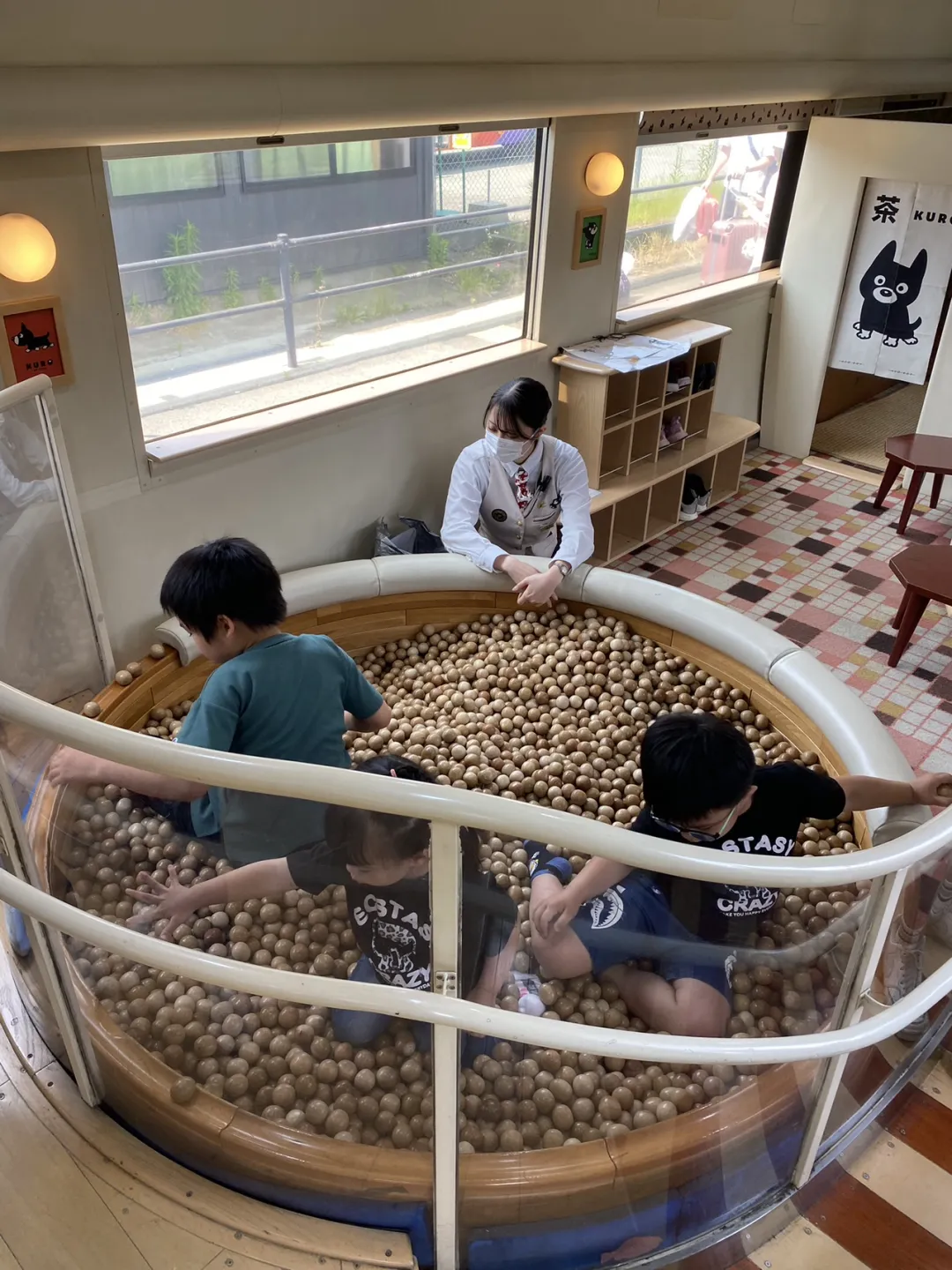
The design of the train was inspired by the mascot Kuro. It is said that there are 101 Kuro mascots on the train. I don’t know if anyone has found them all.
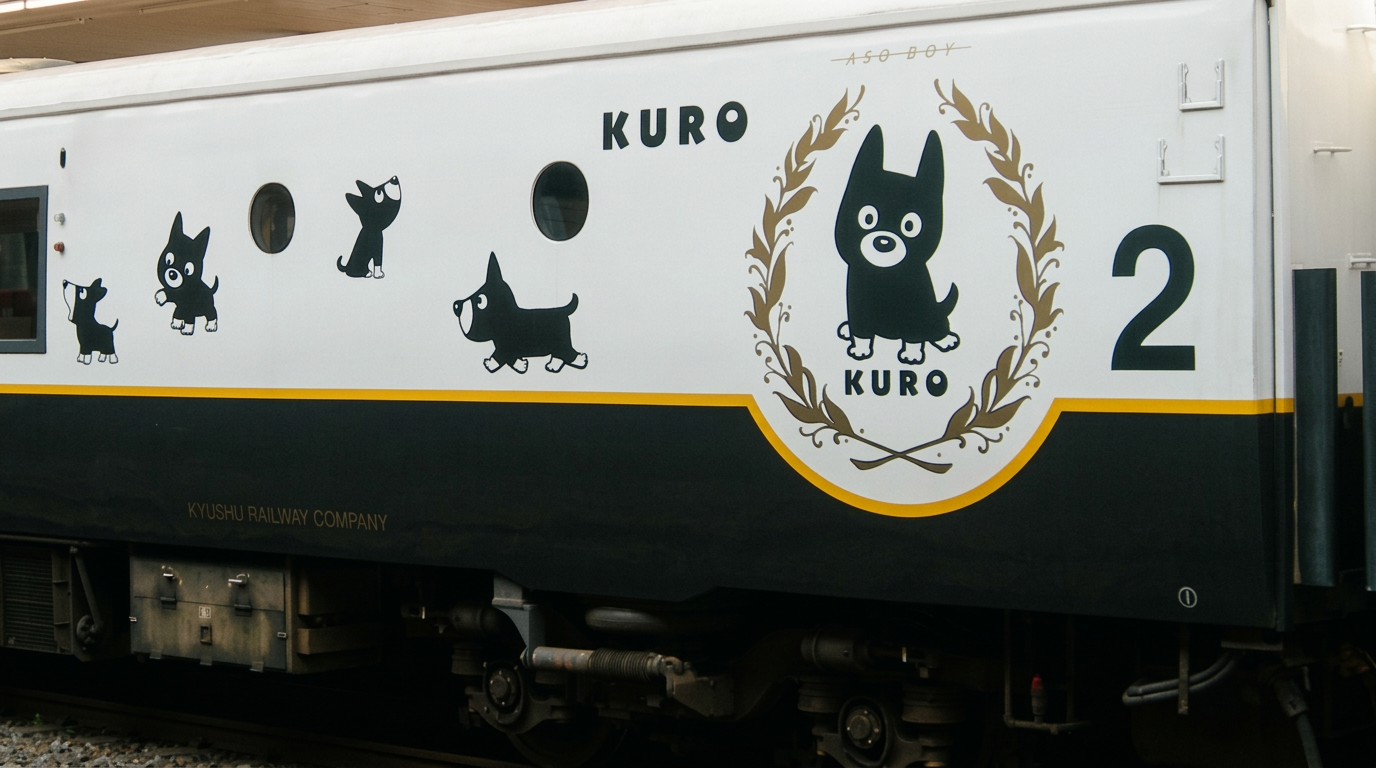

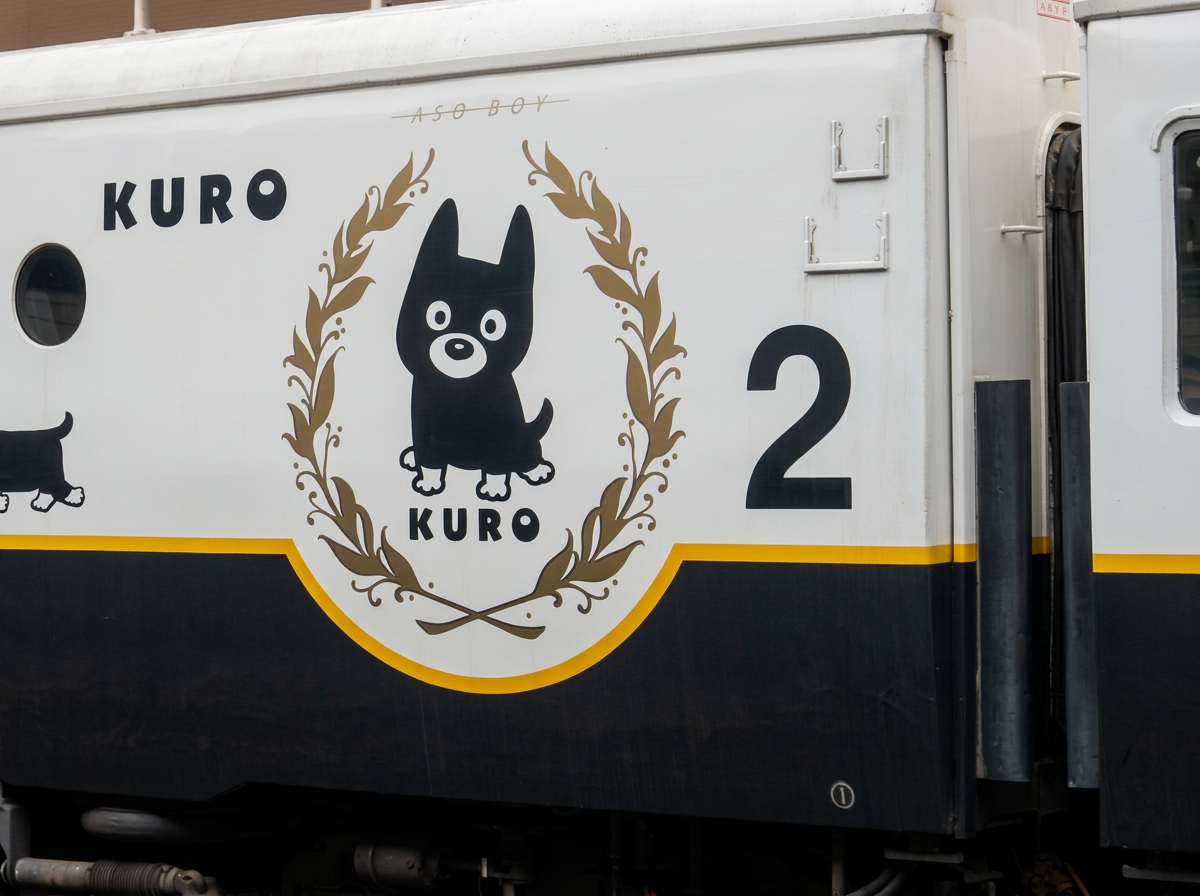
Whether it is the parent-child seating style, the design of the separate small boxes, or the subtle decorations, they are all very childlike.
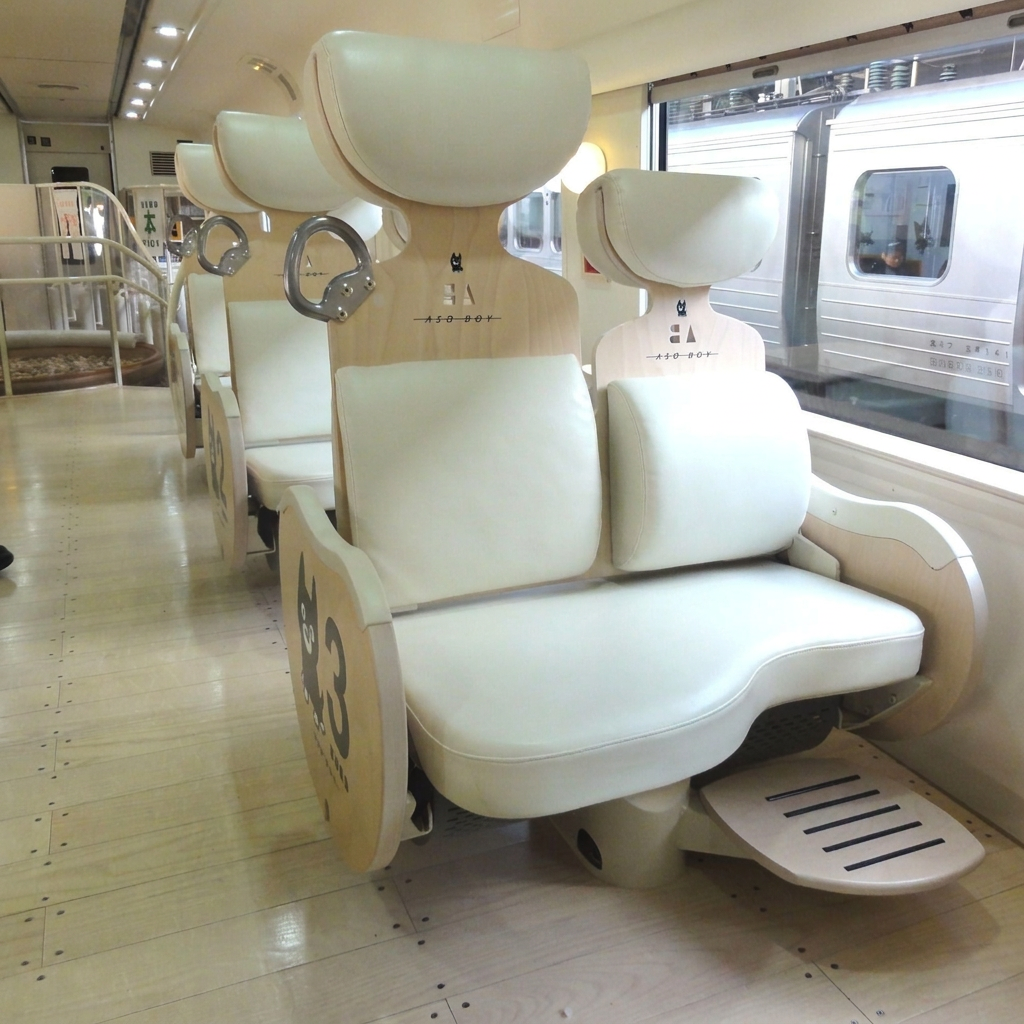

The most breathtaking views were from the front and rear seats. Because the train's driver's cab is located on the second floor, the first floor offers the best views.
Like an IMAX nature documentary, it captures Kyushu's rural scenery with unreserved detail. The merging of the sea and sky as we approach Beppu was truly unforgettable.
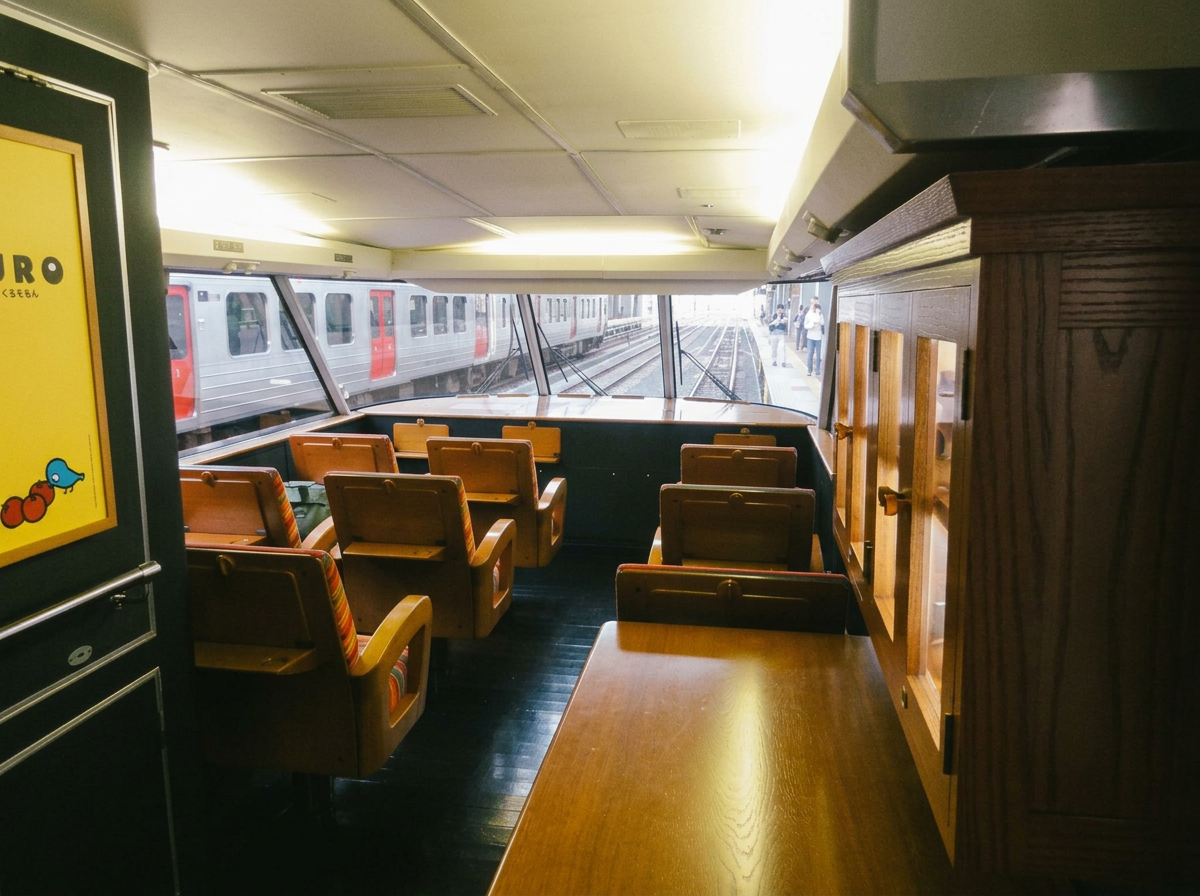

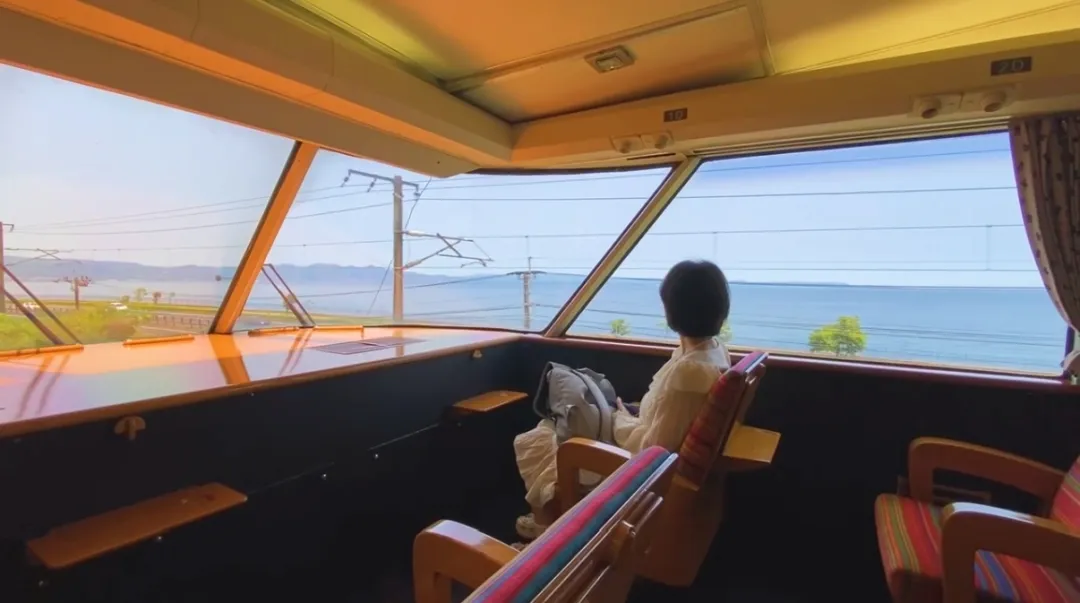
The Aso Boys departed from Kumamoto, stopped at Aso Station, and arrived in Beppu. Mount Aso is also a popular attraction, and a short hike along the way is also fun.
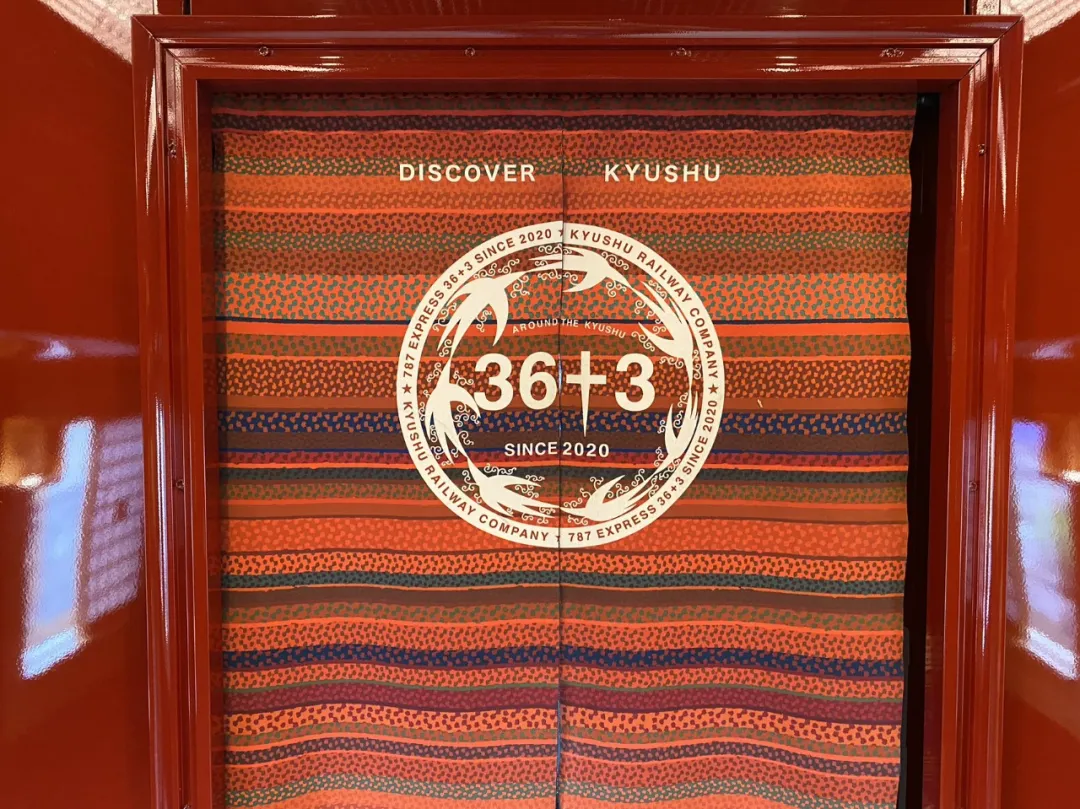
4.36+3
When it comes to luxurious Kyushu trains, the almighty Kyushu Seven Stars takes first place. The Kanpachi-16, featuring local cuisine, and the dessert train Aru Ressha are in a close second. After that, there's the 36+3 (with relatively affordable fares).
The 36+3 is a significantly upgraded version of the Twin Star 4047, also designed by Eiji Mitooka. This time, it features a black paint job with a gold logo, giving it a very upscale look.
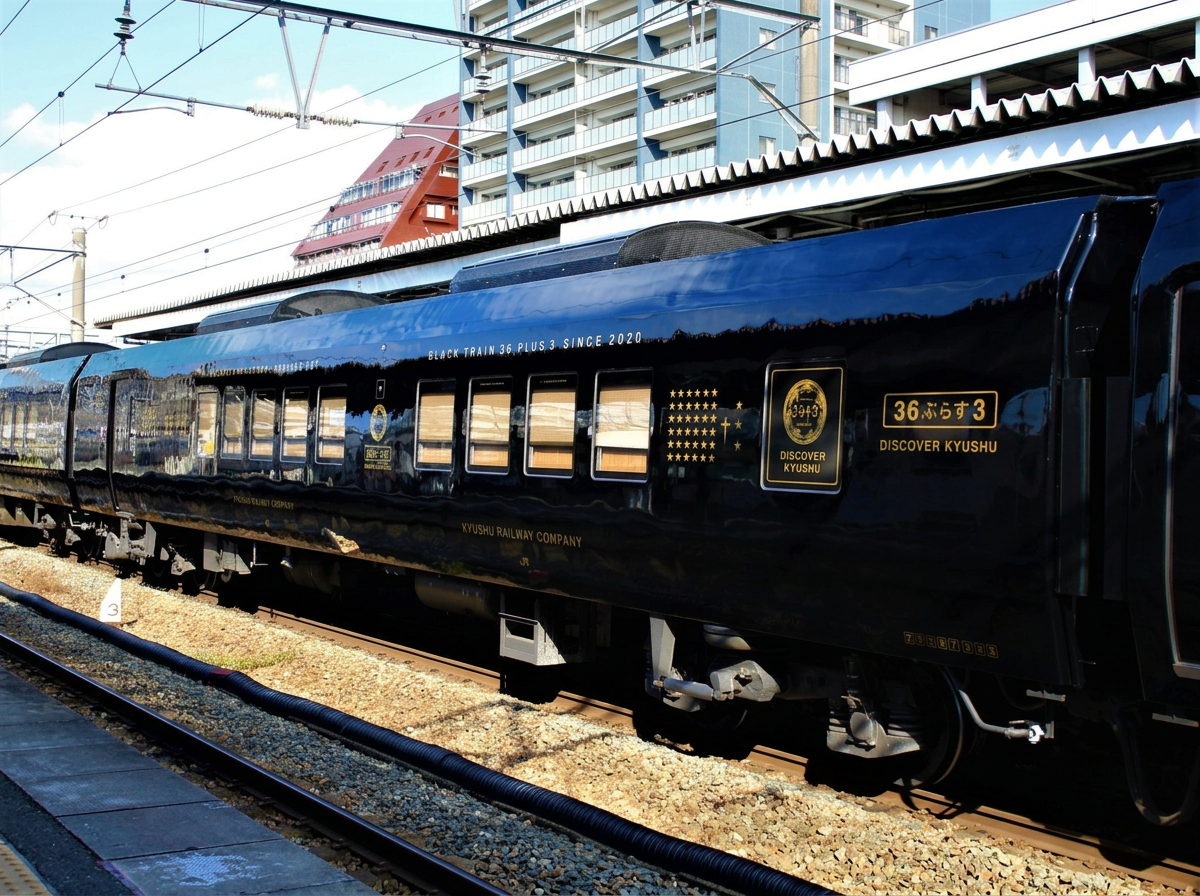

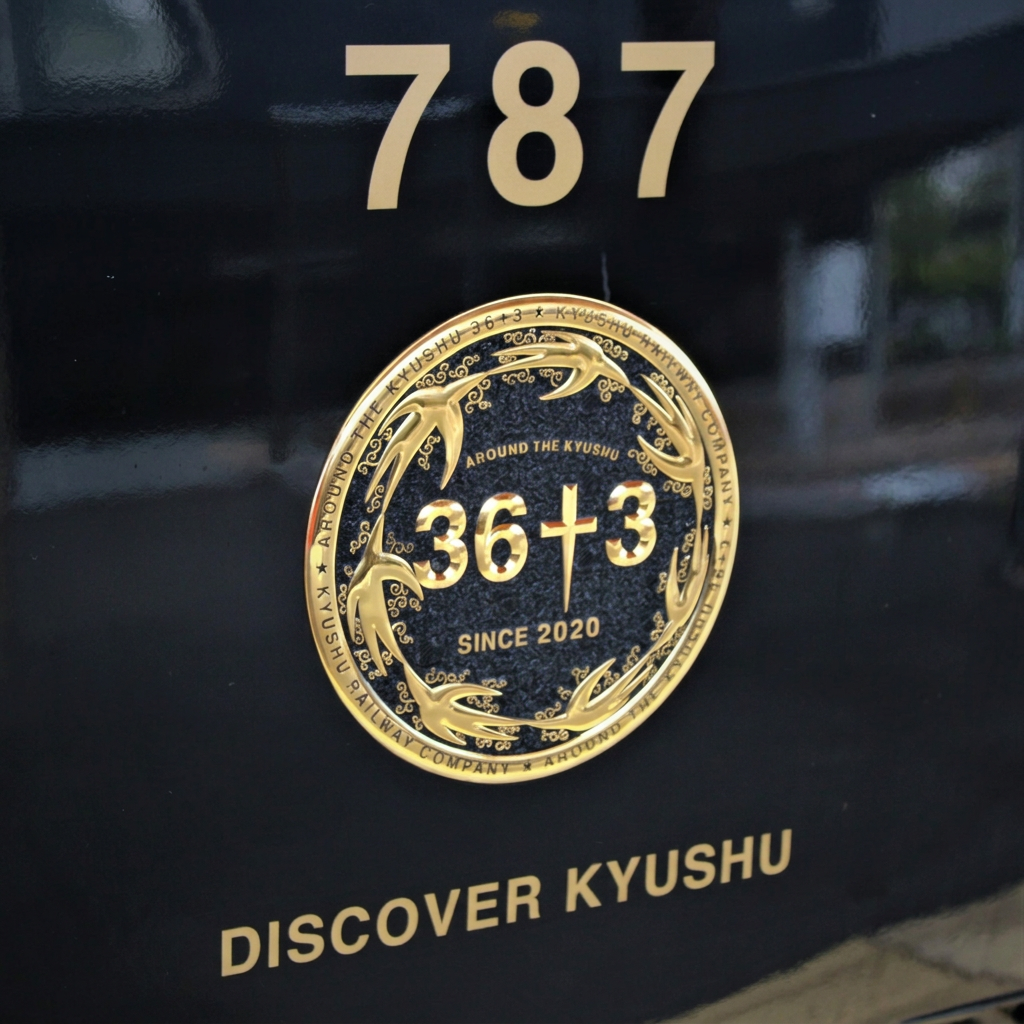

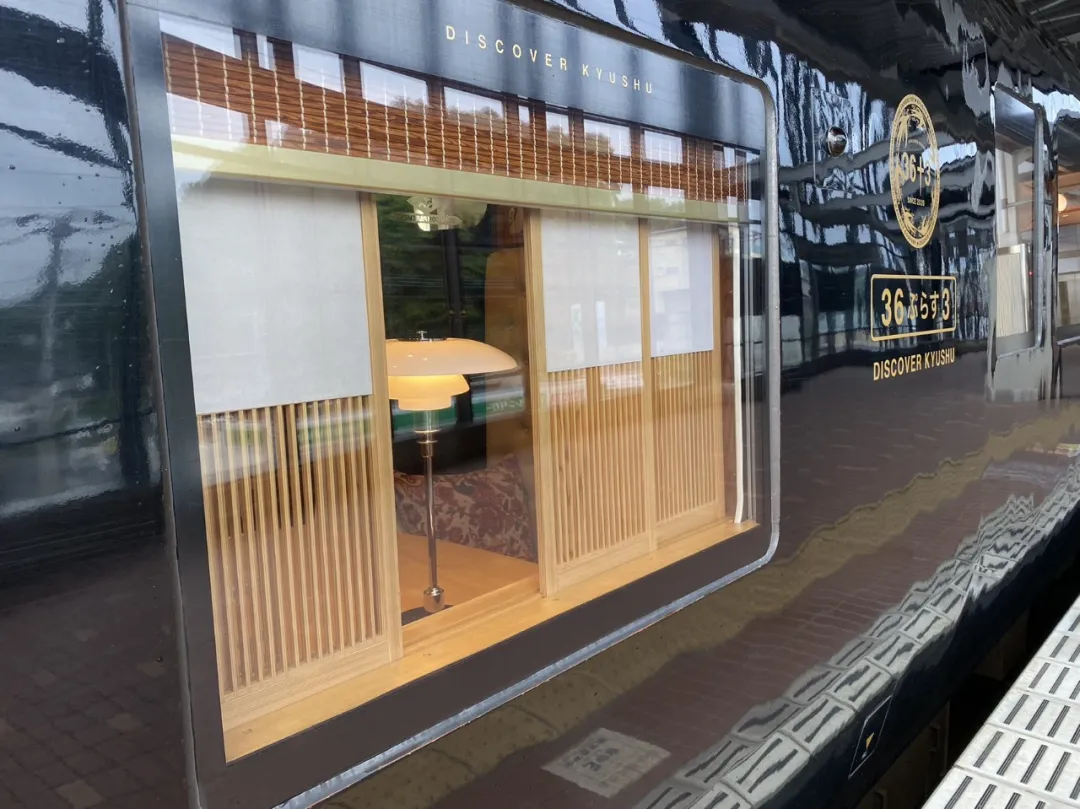
The interior design adds both volume and value.
The common room features a fresh, elegant color scheme. Is this a blue-and-white color? The space feels more airy than the Double Star.
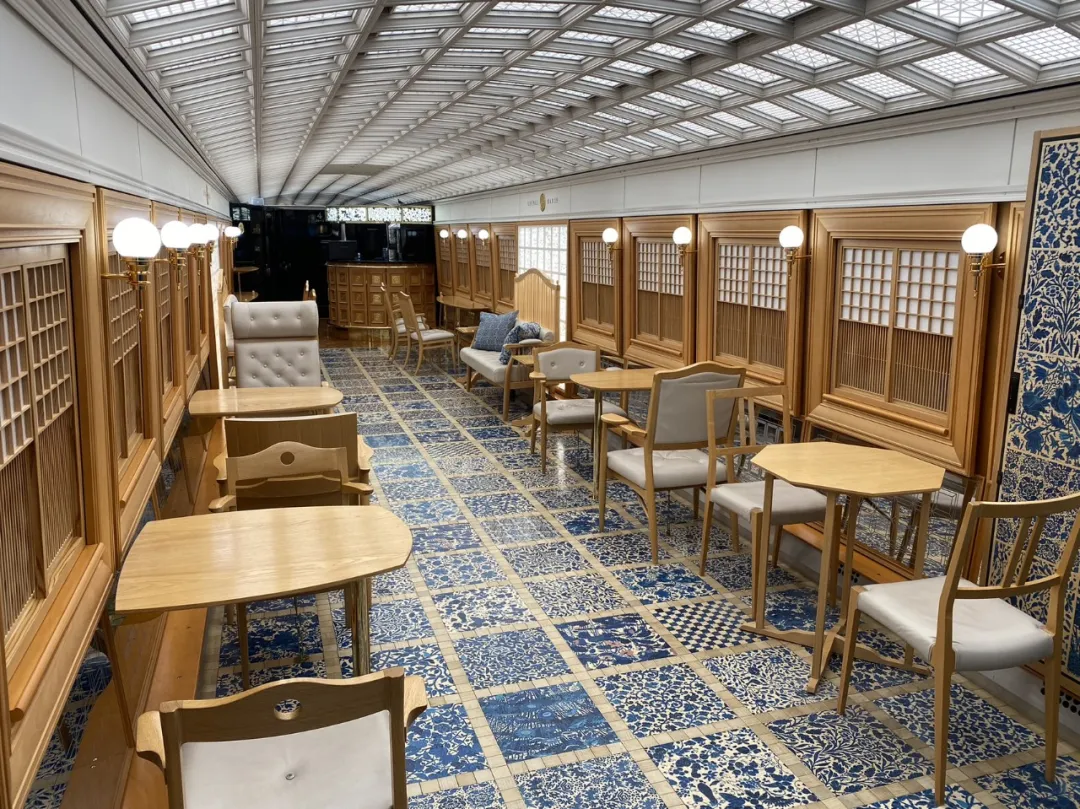
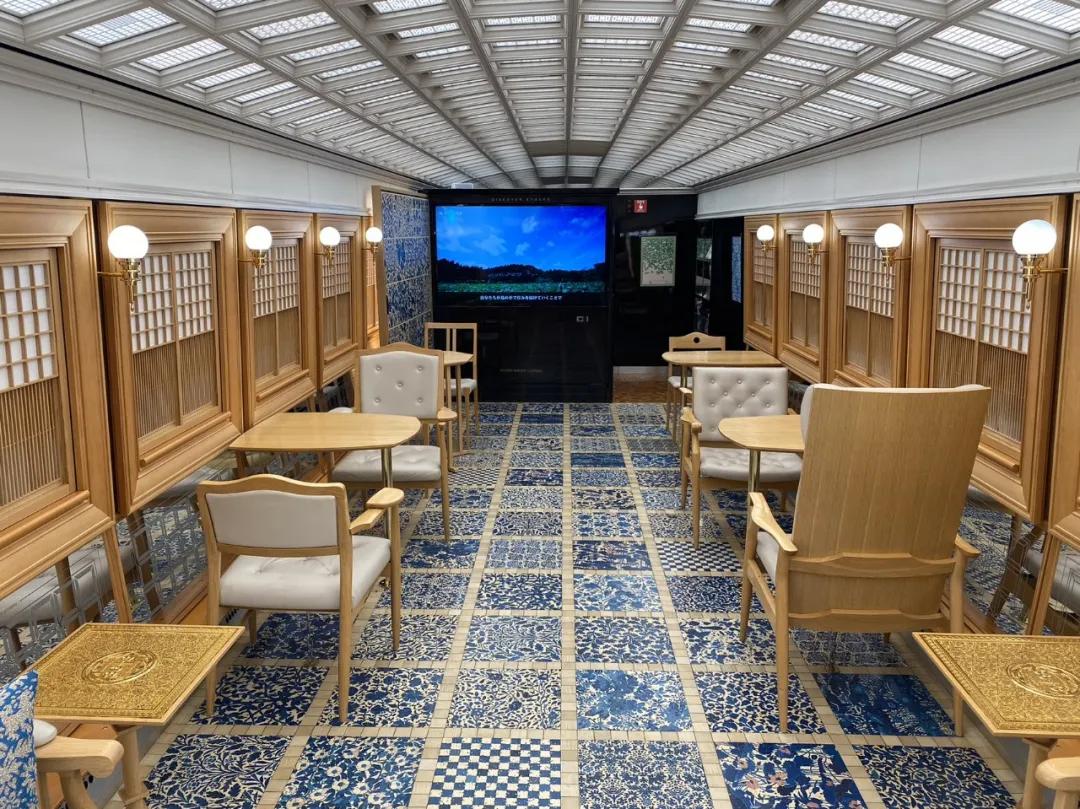
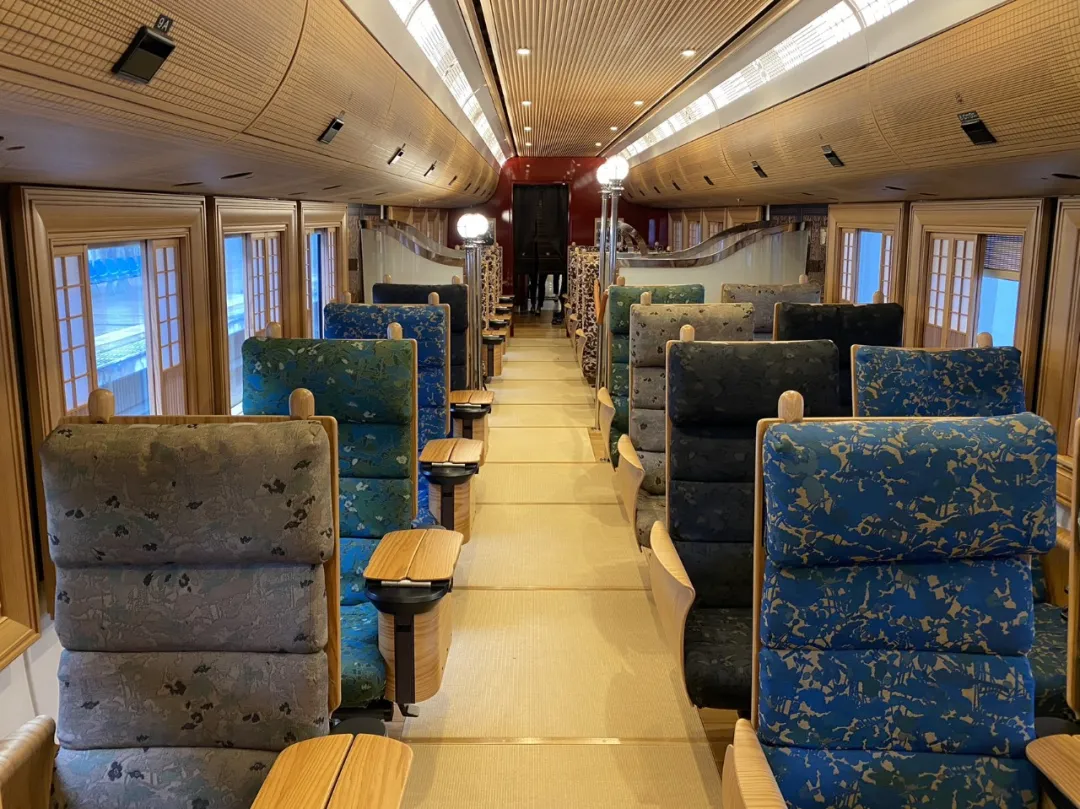
There are two ordinary seating carriages, one with floor and the other with tatami. The layout and design of the seats are very textured, and even the luggage racks are full of small details.
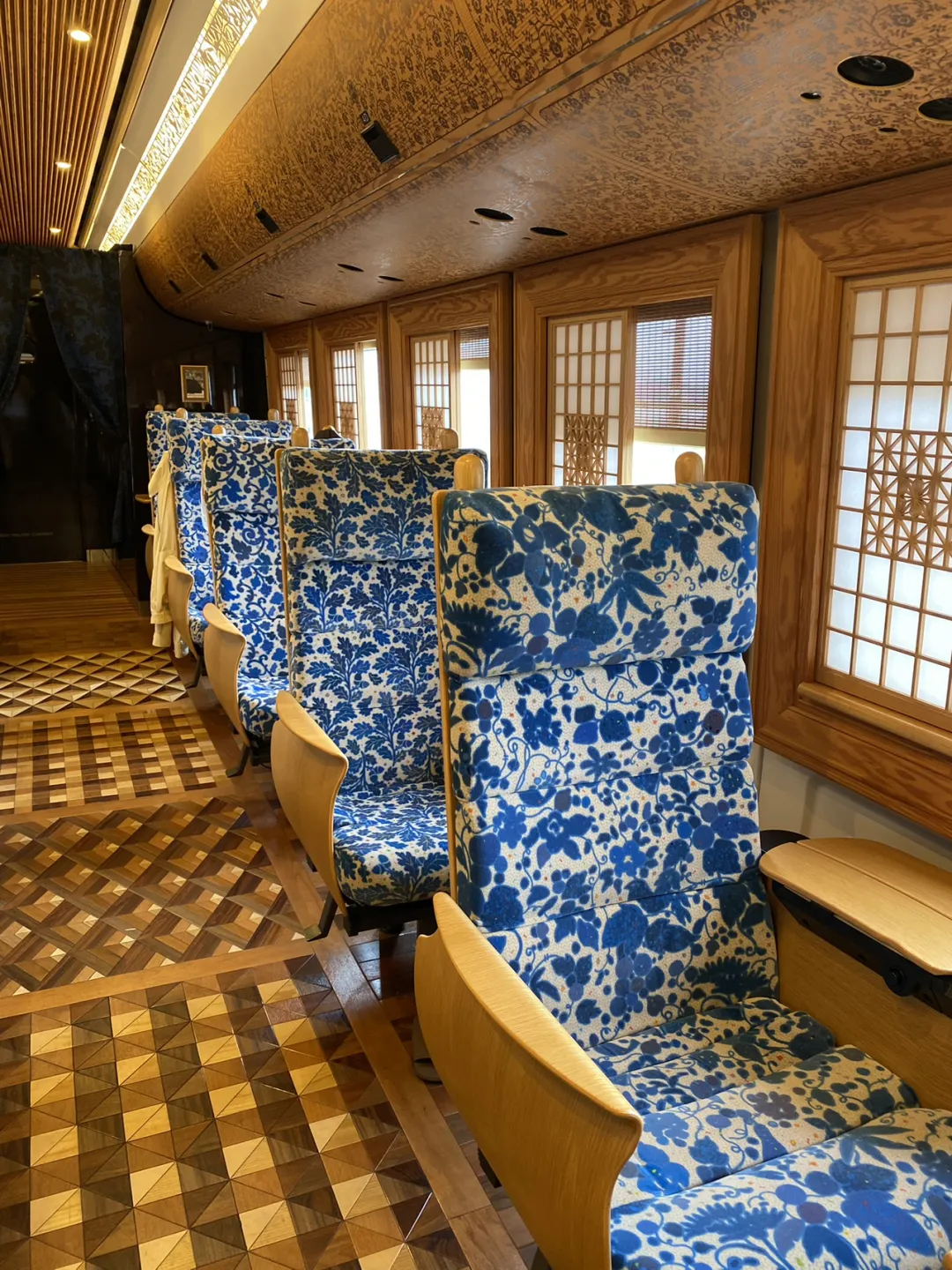
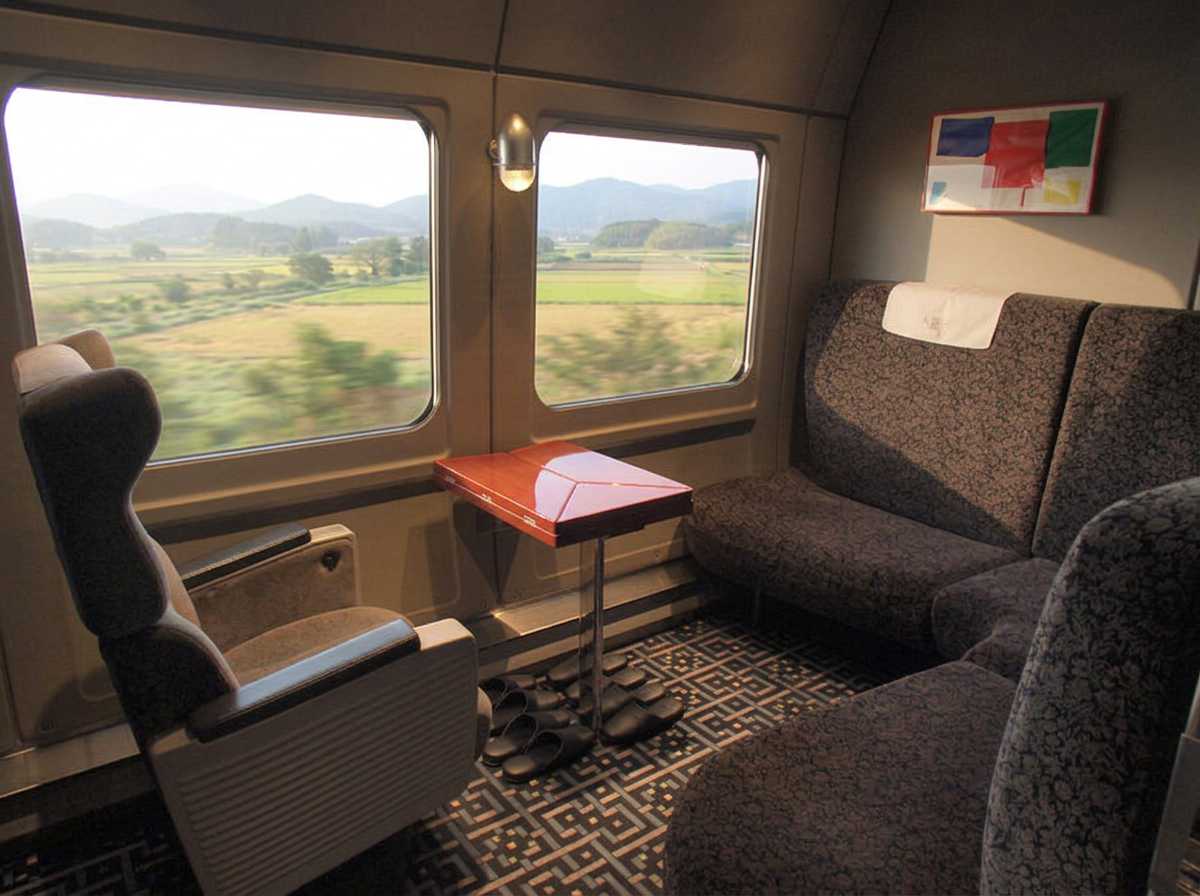
Two carriages are unique to the "36+3" train, offering everything from glass-enclosed compartments to cozy family suites and completely independent private rooms. The dream of a luxurious train, as seen in "Murder on the Orient Express," has come true on the "36+3" train.
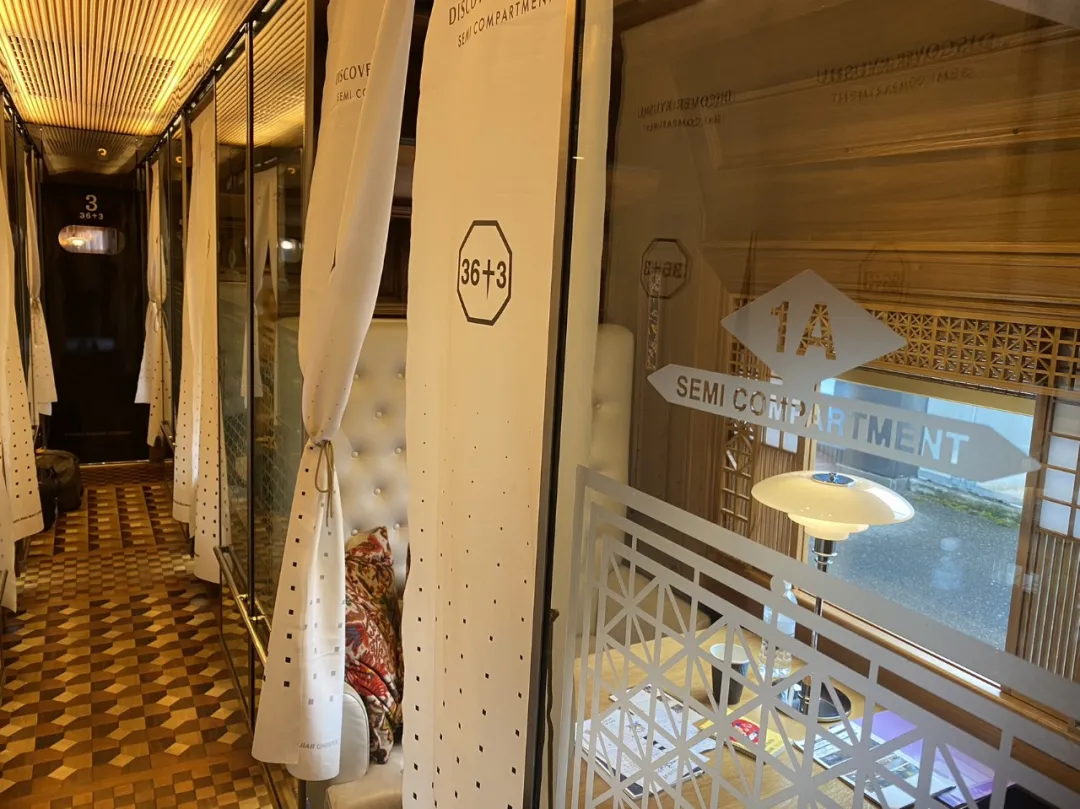
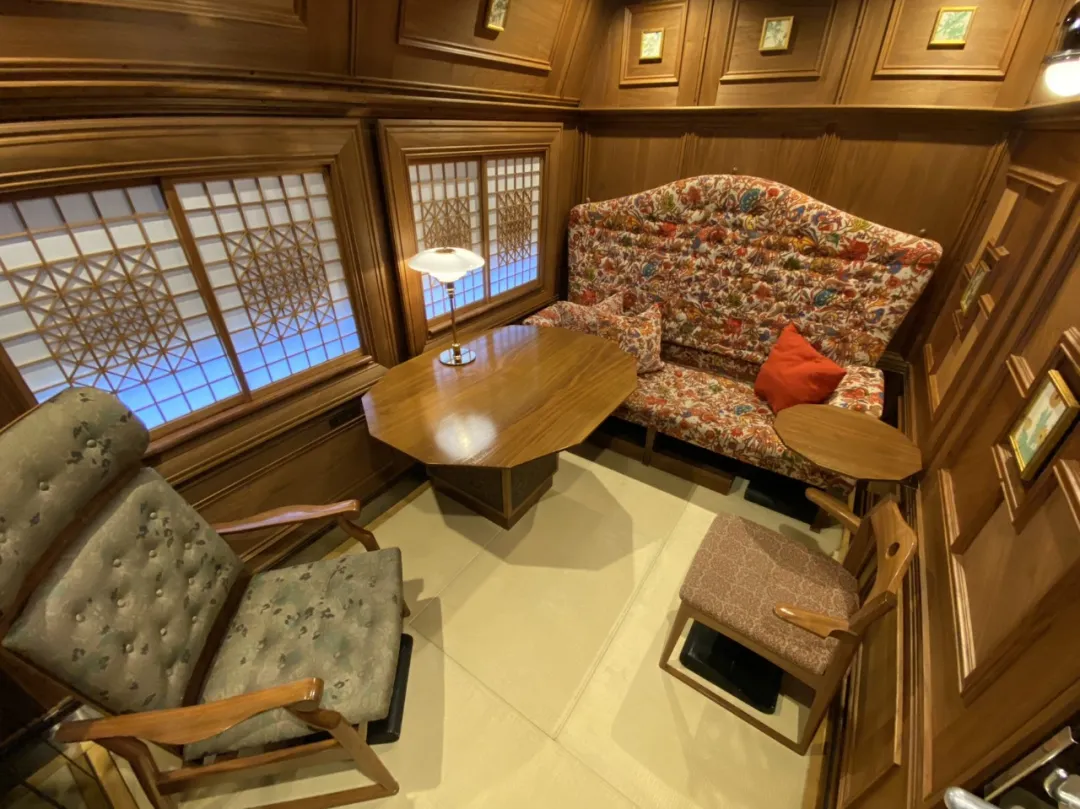
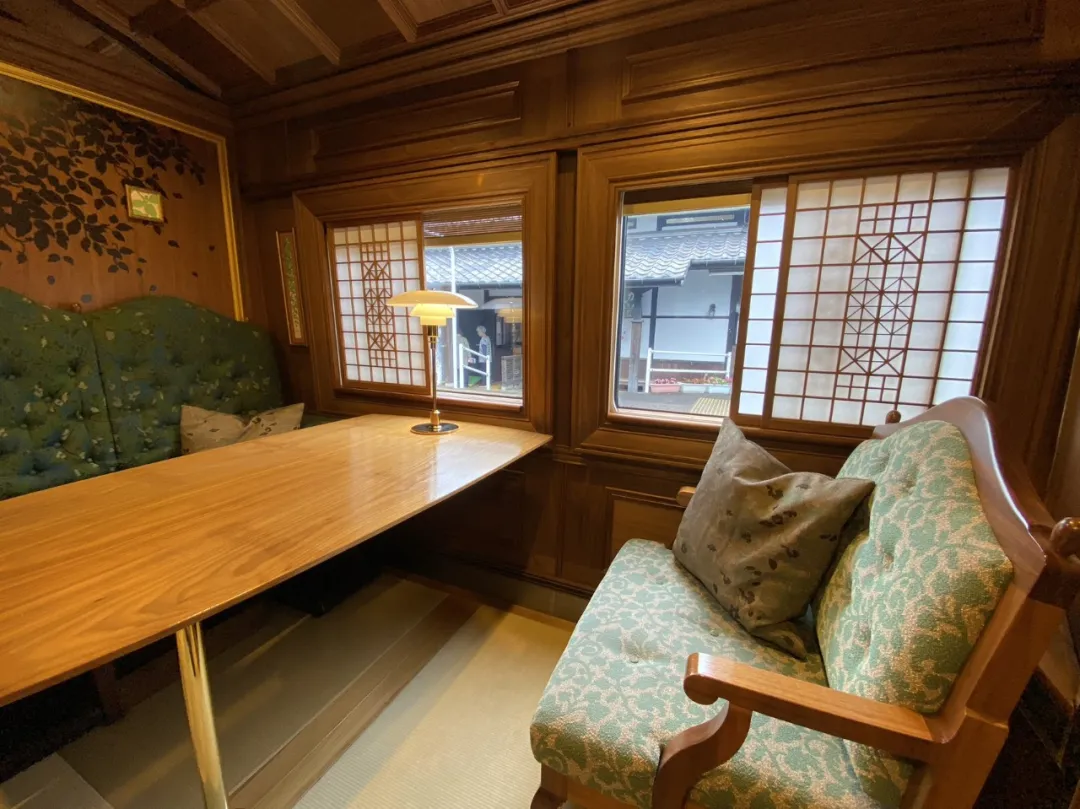
The "36+3" train departs Hakata every Thursday, covering a short distance each day for a total of five days around Kyushu. The train features 35 short stories about various locations along the way, along with the passengers themselves, which is how the name "36+3" came about.
The designer's original intention was to create a train that embodies all the customs and culture of Kyushu.
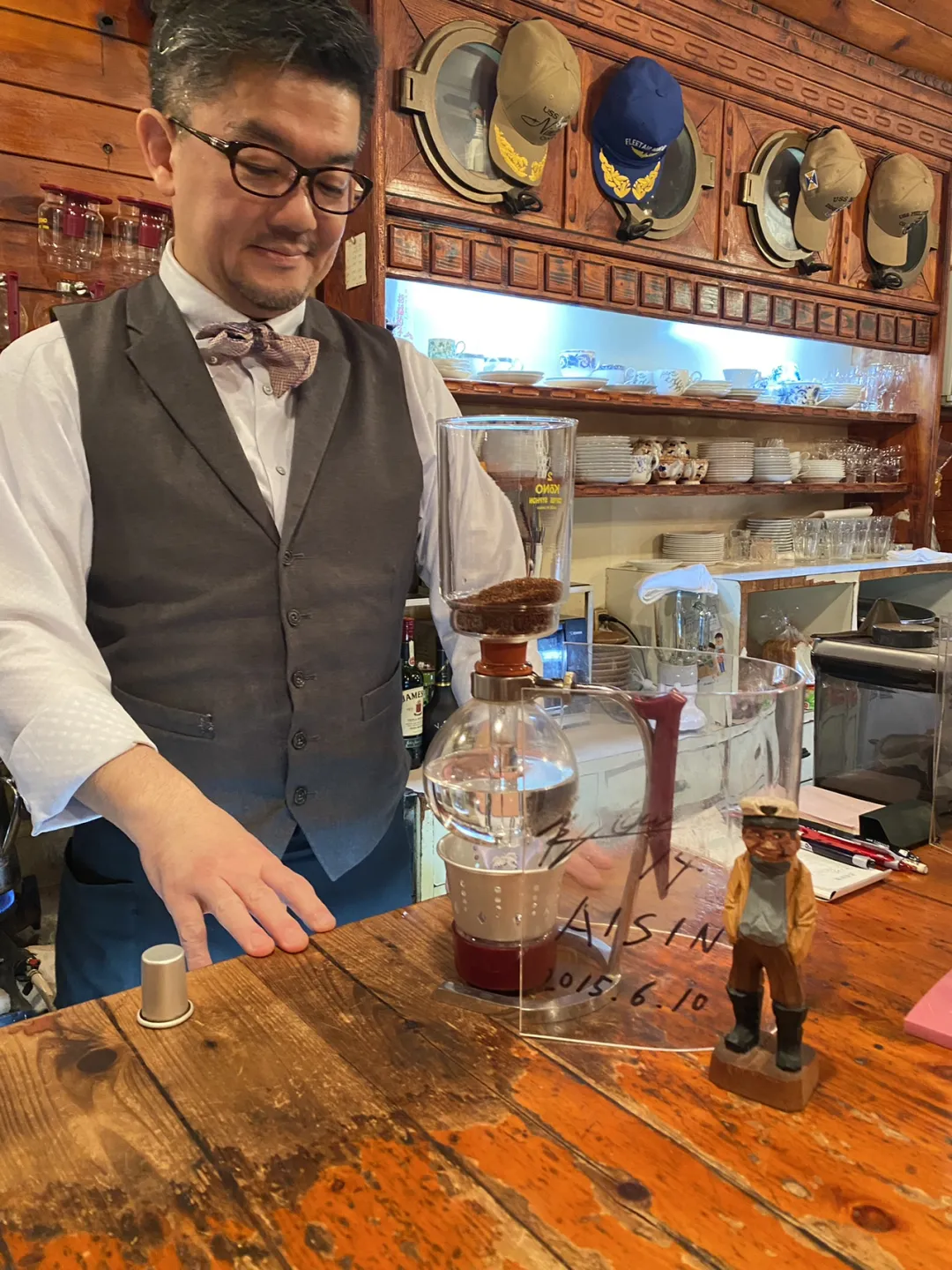
I took the Golden Road train on Monday, returning to the Nagasaki Peninsula. This time, my destination was Sasebo. Spending a pleasant afternoon on a rainy day in Sasebo, in a small coffee shop inherited from my father, is a little story of my own about Kyushu.
5. Jade Mountain Jade
The Jade Mountain Jade has only two carriages, inspired by two wild birds that roam the Hitoyoshi Basin. One carriage is a Jade Mountain Jade, and the other is a Mountain Jade ...
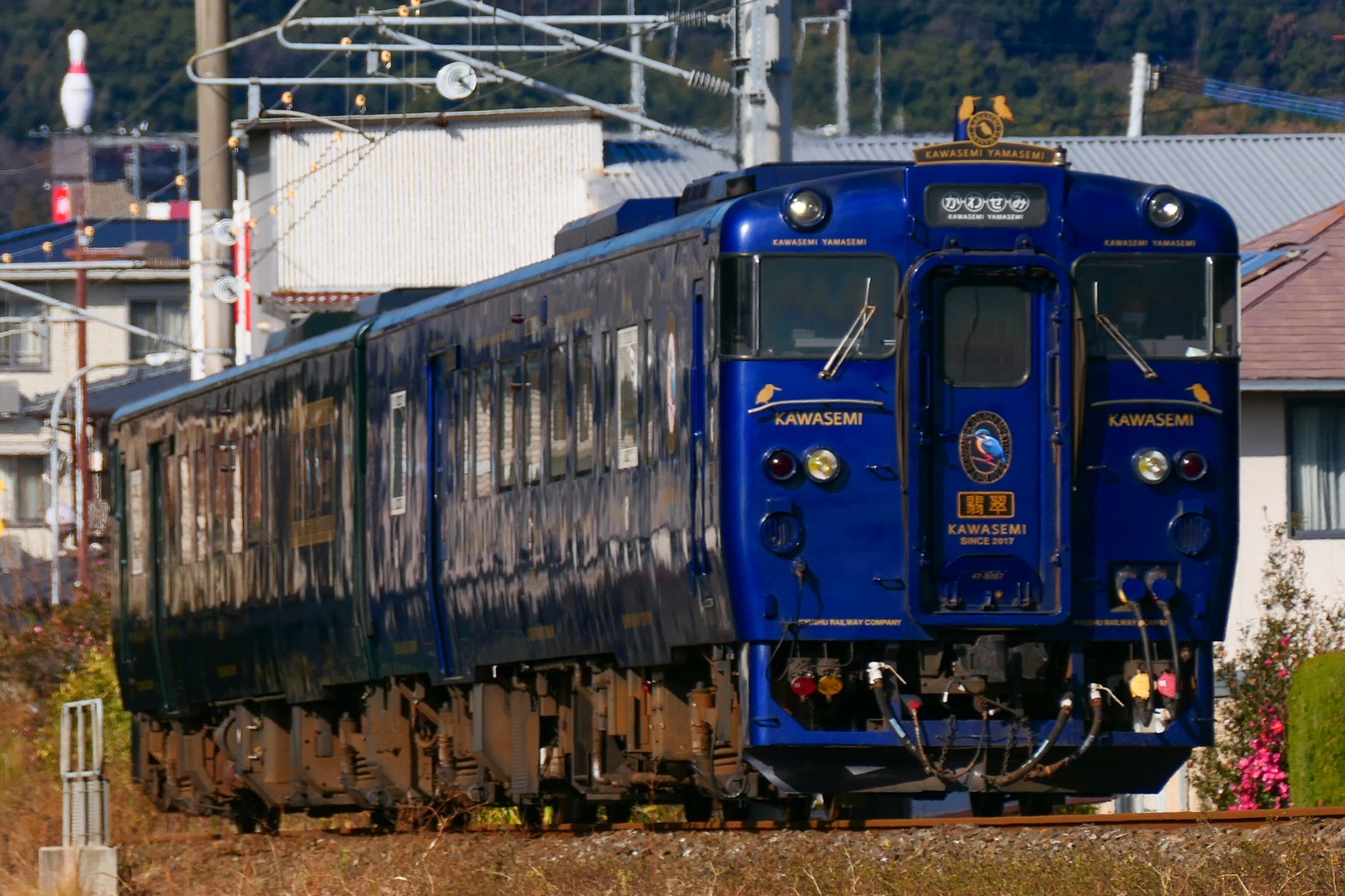

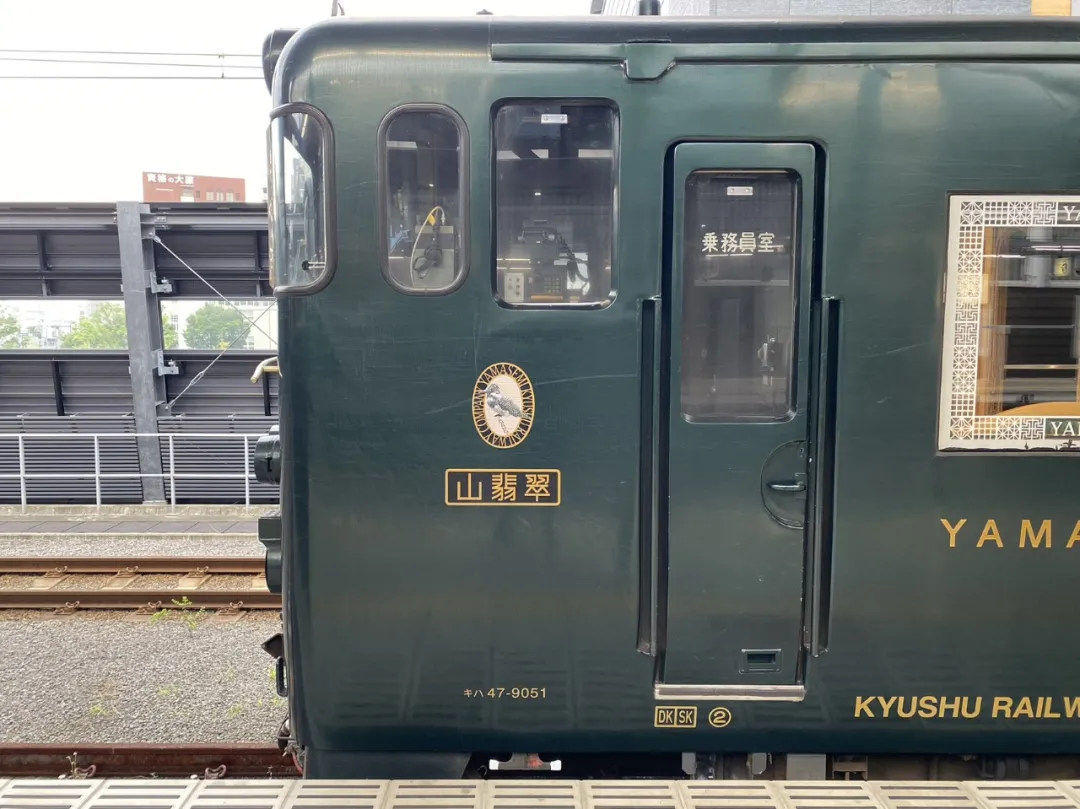
Because there are so few carriages, the interior is compact. A central bar connects the two carriages, and both sides are bustling with seating for the view, made from cedar and cypress, which are native to the route.
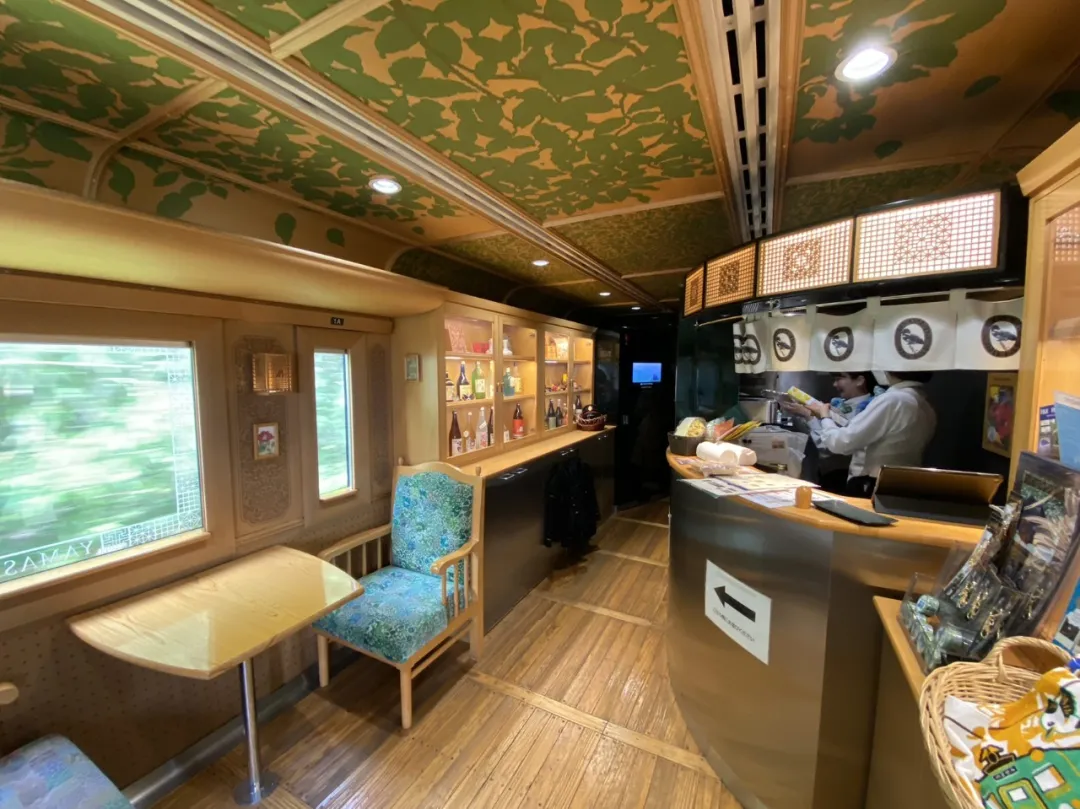
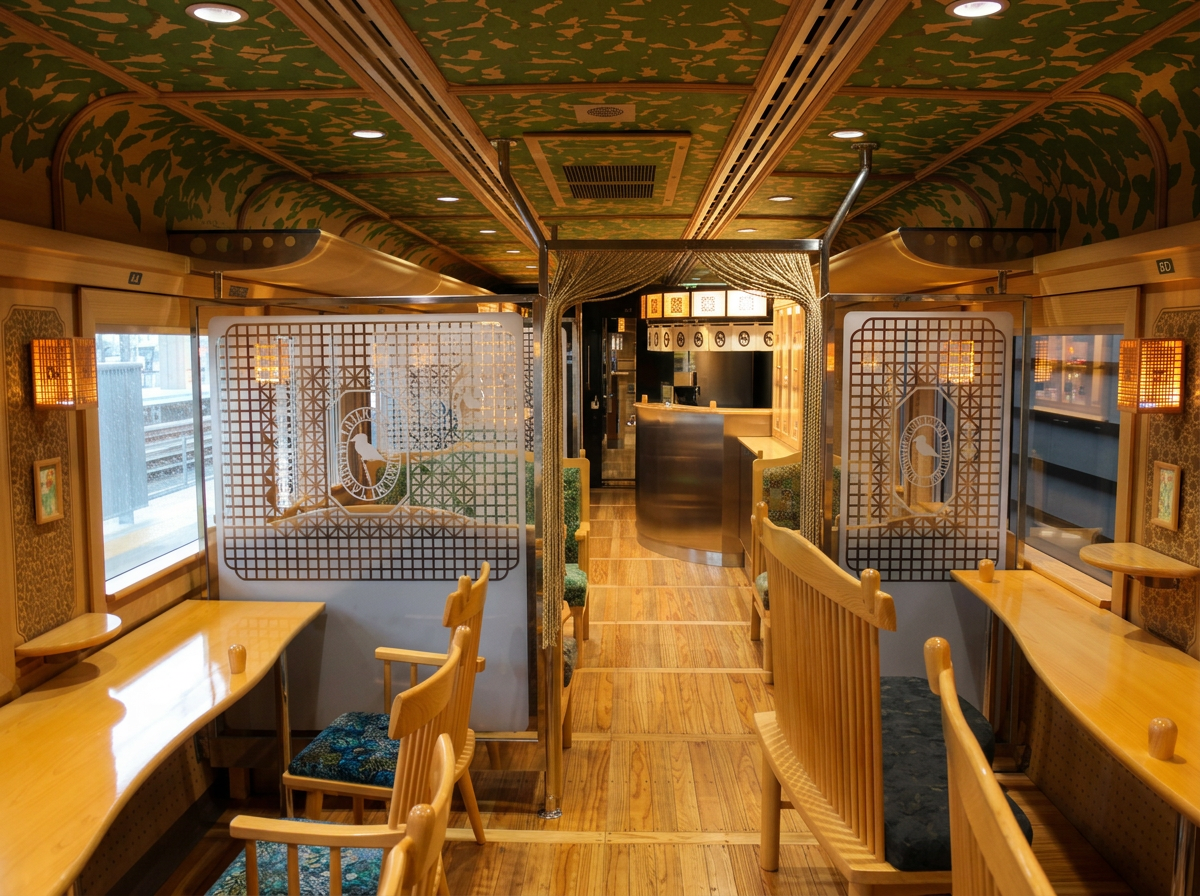

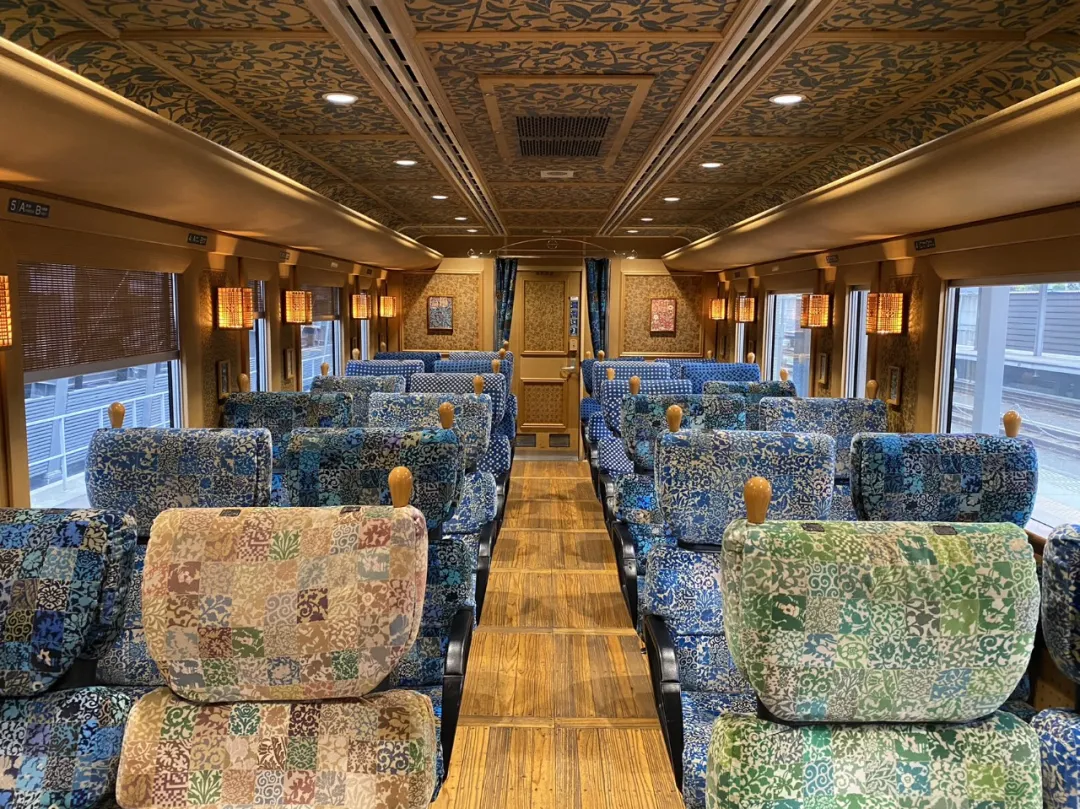
Passing the Kuma River, the mountains, rivers, and valleys swiftly pass by outside the window, lush and verdant. The Hitoyoshi Basin is surrounded by towering mountains, much like my hometown of Wenzhou. Even in ancient times, building a single pedestrian path was a real challenge. The "Emerald Mountain Emeralds" now crisscrossing the mountains are like birds flying to their own mountain.
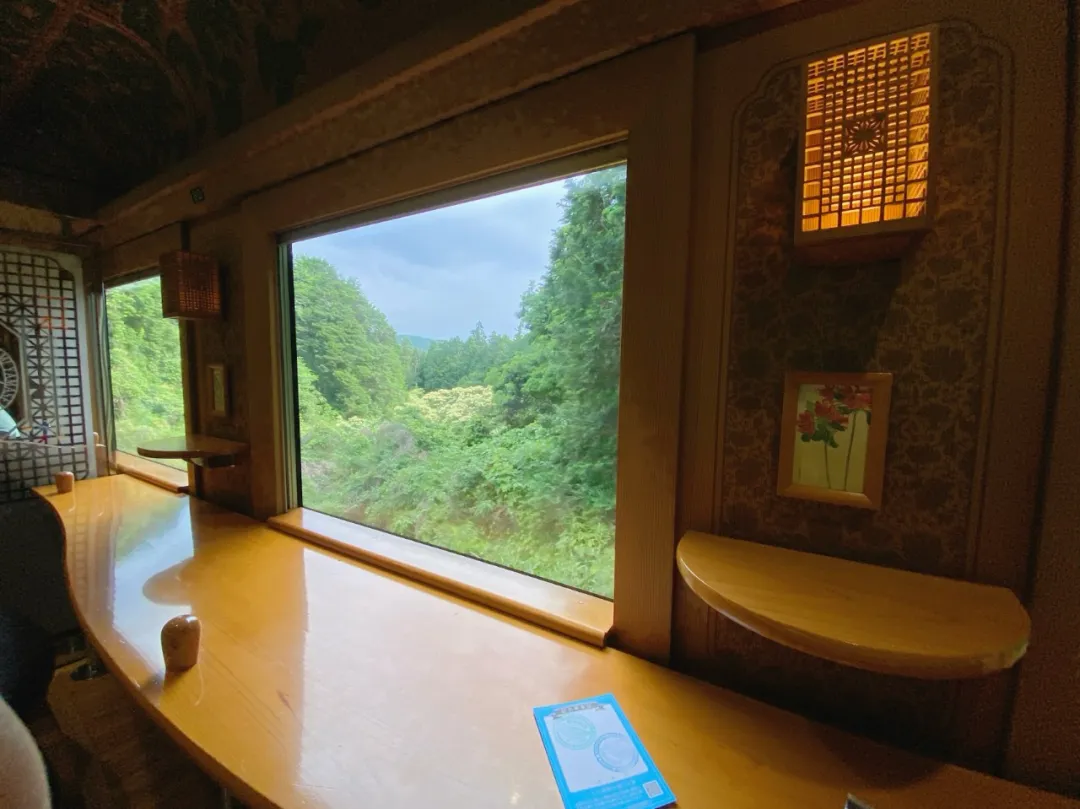
Unfortunately, the "Emerald Hills Emerald" ceased regular service in March of this year and will only make occasional surprise returns.
6. Kyushu Cross-Island Express
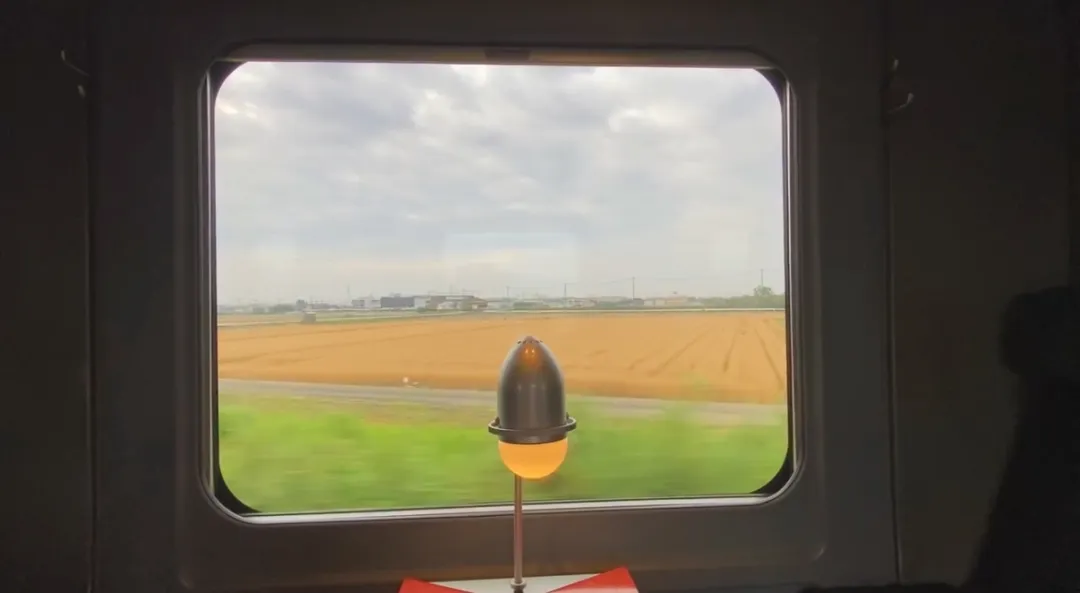
Because of its name, I took a ride: the Kyushu Cross-Island Express. Its red body, reminiscent of Mount Aso, departs from Beppu and traverses central Kyushu. Through this window, I could see the most exquisite Kyushu scenery.
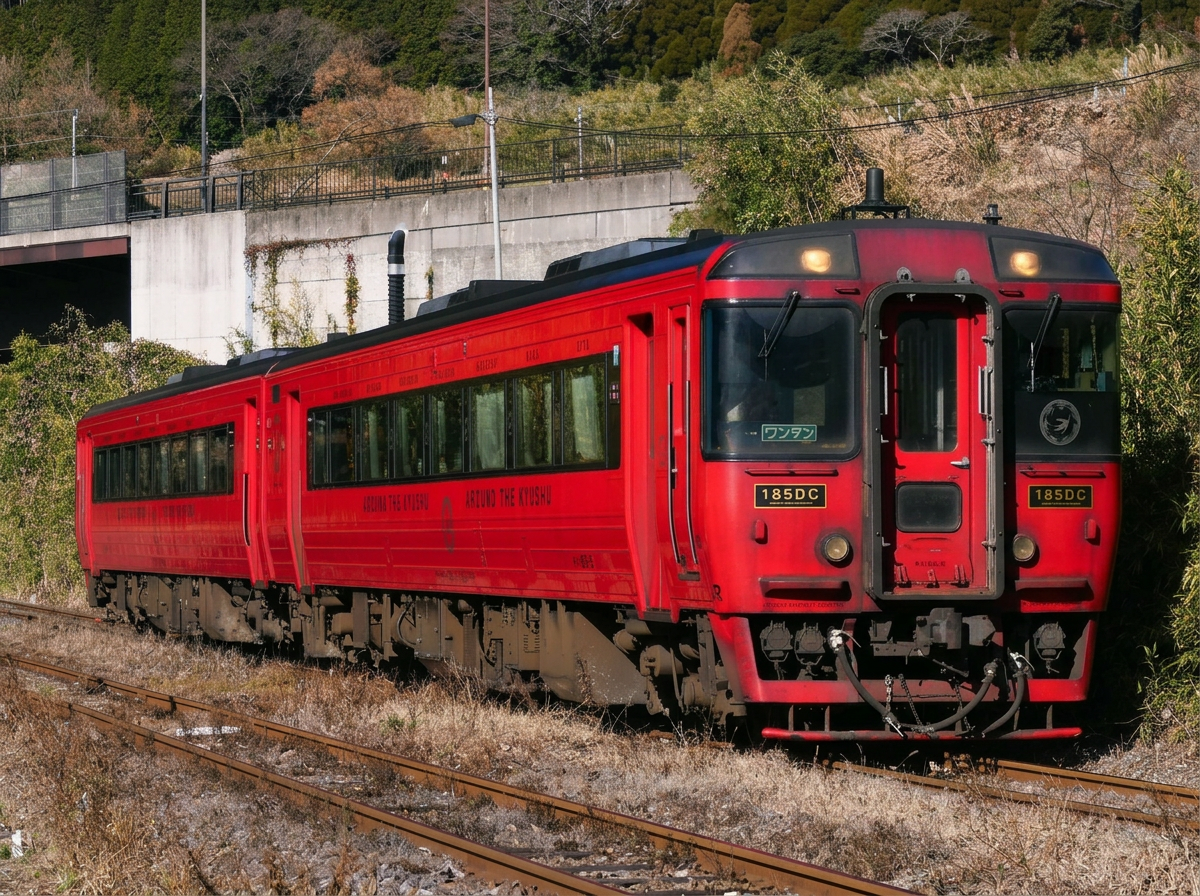

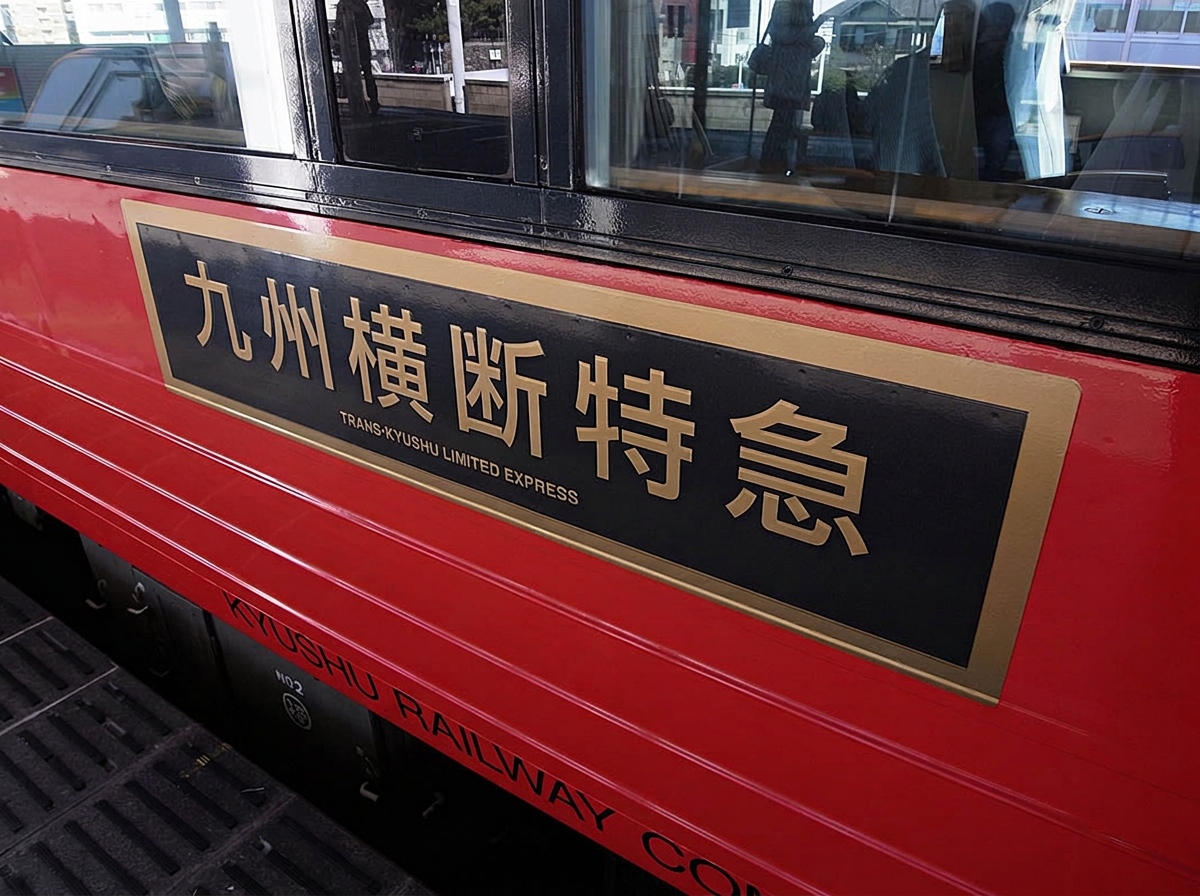

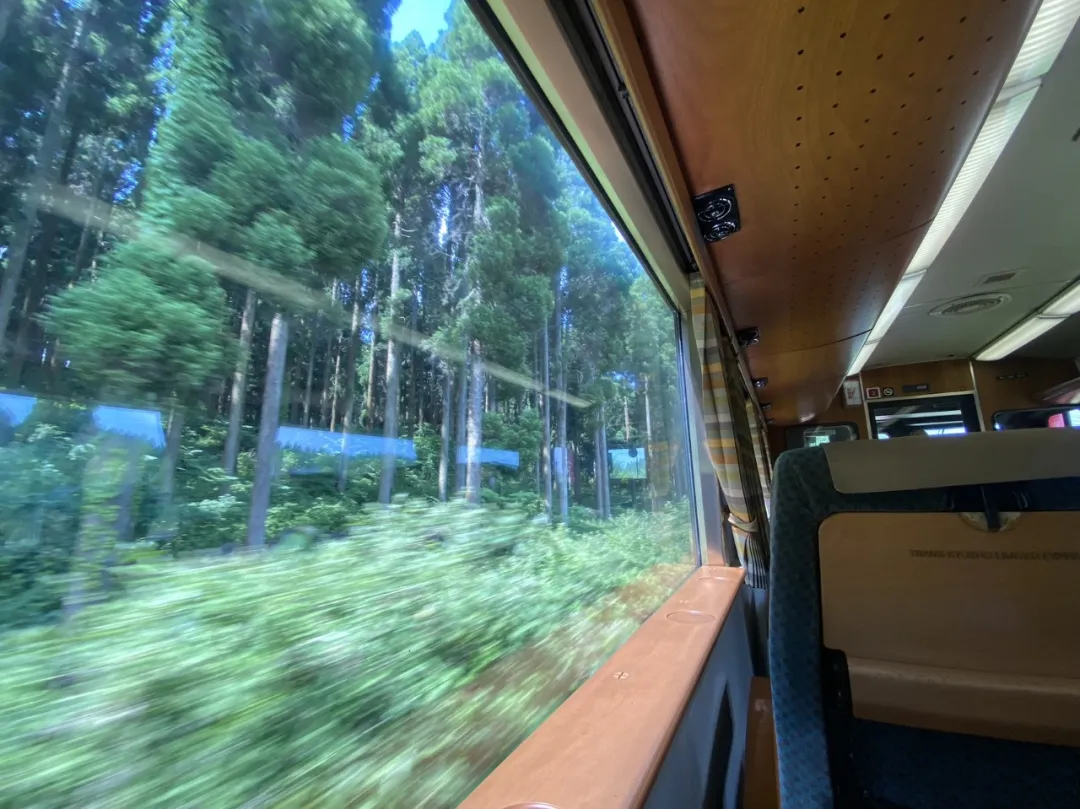
The morning in Fukuoka's countryside was seen through another window. Departing Hakata early in the morning on the Seagull Relay, the sun slowly rising beside us, illuminating the entire carriage, was the perfect start to the day.

7. FAQs
Q. What is the JR Kyushu Scenic Train?
In JR Kyushu, the scenic trains are called "D&S Trains" (Design & Story Trains). The "D" stands for the unique "design," and the "S" stands for the "story," which reflects the history and legends passed down in the area along the line. It encompasses the concept of "a train with both design and story."
Q. How can I purchase tickets?
Tickets can be purchased at the Green Ticket Counter at any JR Kyushu station or online through JR-KYUSHU Train Reservation.
Q. When can reserved seats for the scenic trains be reserved?
Reserved tickets (such as limited express tickets and Green Car tickets) are available for purchase at the Green Ticket Counter at JR stations nationwide, starting at 10:00 AM (Japan Time) one month before the date of travel, along with the JR-KYUSHU Train Reservation.
※ Please note that ticket hours vary by station.
※ Reserving tickets online through JR-KYUSHU Train Reservation allows you to purchase tickets anytime, anywhere, using your phone or computer, making it very convenient.
Q. I want to experience multiple D&S trains. Using the JR Kyushu Rail Pass would be more cost-effective. Where can I buy the JR Kyushu Rail Pass?
You can purchase it at the green ticket counter at any JR Kyushu station or online through JR-KYUSHU Train Reservation.
The JR Kyushu Rail Pass can be purchased in three ways:
① JR Kyushu's online reservation service system, "JR KYUSHU RAIL PASS Online Booking"
② Overseas travel agencies and travel agencies
③ Designated JR Kyushu station ticket counters
Q. Which D&S trains can be reserved using the JR Kyushu Rail Pass?
"36+3," "Yufuin Forest," "Twin Star 4047," "Let's Go by the A Train," "Aso Boys!", "Emerald Hills Emerald," "Ibusuki Tamatebako," and "Umiyuki Yamayuki"
Q. What is the minimum age limit for a child ticket?
Adult tickets are valid for ages 12 and older.
Children's tickets are valid for ages 6 to 11.
Children under 5 travel free (must sit on an adult's lap). However, children under 5 using reserved seats must purchase a separate child ticket for the corresponding section (or a JR Kyushu Children's Pass).
※ How a child's age is determined:
(For JR Kyushu Rail Passes, please note that this varies depending on the method of purchase.)
* If purchased through a travel agency, the child's age is based on the date of purchase (the date the exchange slip is issued).
* If purchased at a Japanese station window or through JR KYUSHU RAIL PASS Online Booking, the child's age is based on the date the pass begins use.
Q. If I purchased the JR Kyushu Rail Pass online, do I need to redeem it for a physical pass upon arrival in Kyushu?
Before using the pass, please ensure you complete the exchange procedures for the Kyushu Rail Pass and reserved seats. If you board a train before redemption, you will be required to purchase a full-priced ticket.
Q. Where can I redeem and receive my pass? What do I need to bring?
You can redeem your pass at any JR Kyushu train station window.
What you'll need to redeem your pass for a physical pass:
① The credit card used for online purchase (applicable to passengers who booked a rail pass or reserved seats through JR Kyushu Rail Pass Online Booking)
② The received eMCO (exchange order)
③ Your passport
※ If you do not have the credit card used for reservation, your pass cannot be redeemed for any reason. If you forget your credit card, you will need to purchase a new pass.
※ You can only redeem your Kyushu Rail Pass and reserved seat tickets if the credit card used for payment is in your name.
※ You must present your original passport to redeem your pass. If a single passenger purchases multiple passes, all passengers must be present to redeem your pass.